
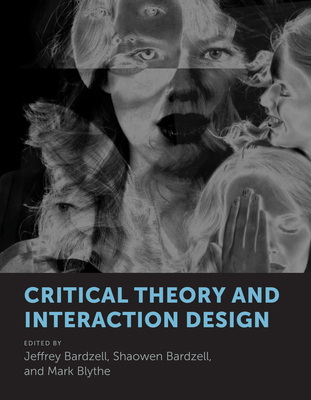
Critical Theory and Interaction Design
| PUBLISHER | MIT Press (12/04/2018) |
| PRODUCT TYPE | Hardcover (Hardcover) |
Why should interaction designers read critical theory? Critical theory is proving unexpectedly relevant to media and technology studies. The editors of this volume argue that reading critical theory--understood in the broadest sense, including but not limited to the Frankfurt School--can help designers do what they want to do; can teach wisdom itself; can provoke; and can introduce new ways of seeing. They illustrate their argument by presenting classic texts by thinkers in critical theory from Althusser to Zizek alongside essays in which leaders in interaction design and HCI describe the influence of the text on their work. For example, one contributor considers the relevance Umberto Eco's "Openness, Information, Communication" to digital content; another reads Walter Benjamin's "The Author as Producer" in terms of interface designers; and another reflects on the implications of Judith Butler's Gender Trouble for interaction design. The editors offer a substantive introduction that traces the various strands of critical theory.
Taken together, the essays show how critical theory and interaction design can inform each other, and how interaction design, drawing on critical theory, might contribute to our deepest needs for connection, competency, self-esteem, and wellbeing.
Contributors
Jeffrey Bardzell, Shaowen Bardzell, Olav W. Bertelsen, Alan F. Blackwell, Mark Blythe, Kirsten Boehner, John Bowers, Gilbert Cockton, Carl DiSalvo, Paul Dourish, Melanie Feinberg, Beki Grinter, Hr nn Brynjarsd ttir Holmer, Jofish Kaye, Ann Light, John McCarthy, S ren Bro Pold, Phoebe Sengers, Erik Stolterman, Kaiton Williams., Peter Wright
Classic texts
Louis Althusser, Aristotle, Roland Barthes, Seyla Benhabib, Walter Benjamin, Judith Butler, Arthur Danto, Terry Eagleton, Umberto Eco, Michel Foucault, Wolfgang Iser, Alan Kaprow, S ren Kierkegaard, Bruno Latour, Herbert Marcuse, Edward Said, James C. Scott, Slavoj Zizek
Why should interaction designers read critical theory? Critical theory is proving unexpectedly relevant to media and technology studies. The editors of this volume argue that reading critical theory--understood in the broadest sense, including but not limited to the Frankfurt School--can help designers do what they want to do; can teach wisdom itself; can provoke; and can introduce new ways of seeing. They illustrate their argument by presenting classic texts by thinkers in critical theory from Althusser to Zizek alongside essays in which leaders in interaction design and HCI describe the influence of the text on their work. For example, one contributor considers the relevance Umberto Eco's "Openness, Information, Communication" to digital content; another reads Walter Benjamin's "The Author as Producer" in terms of interface designers; and another reflects on the implications of Judith Butler's Gender Trouble for interaction design. The editors offer a substantive introduction that traces the various strands of critical theory.
Taken together, the essays show how critical theory and interaction design can inform each other, and how interaction design, drawing on critical theory, might contribute to our deepest needs for connection, competency, self-esteem, and wellbeing.
Contributors
Jeffrey Bardzell, Shaowen Bardzell, Olav W. Bertelsen, Alan F. Blackwell, Mark Blythe, Kirsten Boehner, John Bowers, Gilbert Cockton, Carl DiSalvo, Paul Dourish, Melanie Feinberg, Beki Grinter, Hr nn Brynjarsd ttir Holmer, Jofish Kaye, Ann Light, John McCarthy, S ren Bro Pold, Phoebe Sengers, Erik Stolterman, Kaiton Williams., Peter Wright
Classic texts
Louis Althusser, Aristotle, Roland Barthes, Seyla Benhabib, Walter Benjamin, Judith Butler, Arthur Danto, Terry Eagleton, Umberto Eco, Michel Foucault, Wolfgang Iser, Alan Kaprow, S ren Kierkegaard, Bruno Latour, Herbert Marcuse, Edward Said, James C. Scott, Slavoj Zizek