
To Live upon Hope
| AUTHOR | Wheeler, Rachel |
| PUBLISHER | Cornell University Press (04/23/2008) |
| PRODUCT TYPE | Hardcover (Hardcover) |
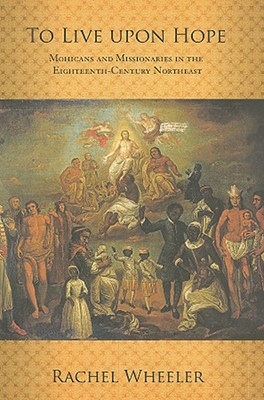
Two Northeast Indian communities with similar histories of colonization accepted Congregational and Moravian missionaries, respectively, within five years of one another: the Mohicans of Stockbridge, Massachusetts (1735), and Shekomeko, in Dutchess County, New York (1740). In To Live upon Hope, Rachel Wheeler explores the question of what "missionary Christianity" became in the hands of these two native communities.The Mohicans of Stockbridge and Shekomeko drew different conclusions from their experiences with colonial powers. Both tried to preserve what they deemed core elements of Mohican culture. The Indians of Stockbridge believed education in English cultural ways was essential to their survival and cast their acceptance of the mission project as a means of preserving their historic roles as cultural intermediaries. The Mohicans of Shekomeko, by contrast, sought new sources of spiritual power that might be accessed in order to combat the ills that came with colonization, such as alcohol and disease.Through extensive research, especially in the Moravian records of day-to-day life, Wheeler offers an understanding of the lived experience of Mohican communities under colonialism. She complicates the understanding of eighteenth-century American Christianity by demonstrating that mission programs were not always driven by the destruction of indigenous culture and the advancement of imperial projects. To Live upon Hope challenges the prevailing view of accommodation or resistance as the two poles of Indian responses to European colonization. Colonialism placed severe strains on native peoples, Wheeler finds, yet Indians also exercised a level of agency and creativity that aided in their survival.
Two Northeast Indian communities with similar histories of colonization accepted Congregational and Moravian missionaries, respectively, within five years of one another: the Mohicans of Stockbridge, Massachusetts (1735), and Shekomeko, in Dutchess County, New York (1740). In To Live upon Hope, Rachel Wheeler explores the question of what "missionary Christianity" became in the hands of these two native communities.The Mohicans of Stockbridge and Shekomeko drew different conclusions from their experiences with colonial powers. Both tried to preserve what they deemed core elements of Mohican culture. The Indians of Stockbridge believed education in English cultural ways was essential to their survival and cast their acceptance of the mission project as a means of preserving their historic roles as cultural intermediaries. The Mohicans of Shekomeko, by contrast, sought new sources of spiritual power that might be accessed in order to combat the ills that came with colonization, such as alcohol and disease.Through extensive research, especially in the Moravian records of day-to-day life, Wheeler offers an understanding of the lived experience of Mohican communities under colonialism. She complicates the understanding of eighteenth-century American Christianity by demonstrating that mission programs were not always driven by the destruction of indigenous culture and the advancement of imperial projects. To Live upon Hope challenges the prevailing view of accommodation or resistance as the two poles of Indian responses to European colonization. Colonialism placed severe strains on native peoples, Wheeler finds, yet Indians also exercised a level of agency and creativity that aided in their survival.