
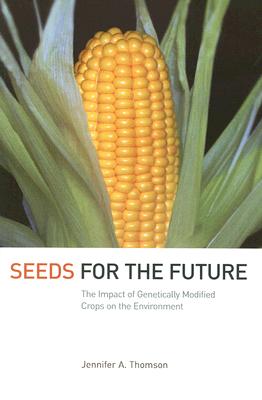
Seeds for the Future: The Impact of Genetically Modified Crops on the Environment
| AUTHOR | Thomson, Jennifer A.; Thomson, Jennifer a.; Thomson, Jennifer a. et al. |
| PUBLISHER | Comstock Publishing (02/15/2007) |
| PRODUCT TYPE | Paperback (Paperback) |
Plants have long been genetically modified through crossbreeding and other basic agricultural techniques to make crops more resilient, nutritious, and profitable. In recent decades, however, advances in genetic engineering--including the ability to blend genetic material from animals with that of plants--have allowed farmers to grow crops that resist insect pests, weeds, viruses, and drought; provide increased iron or beta carotene; deliver vaccines and antibodies; reduce common allergens and pollutants; and augment marketable qualities such as delayed ripening. The complicated scientific, environmental, legal, cultural, and ethical issues surrounding these crops are being hotly debated all over the world. In Seeds for the Future, an internationally respected molecular geneticist and food researcher, Jennifer A. Thomson, describes how these crops are developed, distributed, and regulated.
--Alan McHughen, University of California, Riverside, author of Pandora's Picnic BasketPlants have long been genetically modified through crossbreeding and other basic agricultural techniques to make crops more resilient, nutritious, and profitable. In recent decades, however, advances in genetic engineering--including the ability to blend genetic material from animals with that of plants--have allowed farmers to grow crops that resist insect pests, weeds, viruses, and drought; provide increased iron or beta carotene; deliver vaccines and antibodies; reduce common allergens and pollutants; and augment marketable qualities such as delayed ripening. The complicated scientific, environmental, legal, cultural, and ethical issues surrounding these crops are being hotly debated all over the world. In Seeds for the Future, an internationally respected molecular geneticist and food researcher, Jennifer A. Thomson, describes how these crops are developed, distributed, and regulated.
--Alan McHughen, University of California, Riverside, author of Pandora's Picnic Basket