
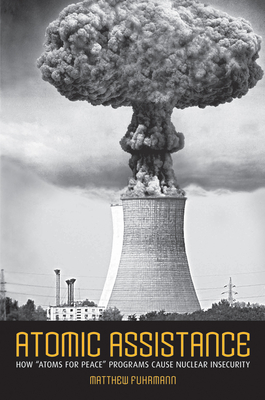
Atomic Assistance: How Atoms for Peace Programs Cause Nuclear Insecurity
| AUTHOR | Fuhrmann, Matthew |
| PUBLISHER | Cornell University Press (07/05/2012) |
| PRODUCT TYPE | Paperback (Paperback) |
Nuclear technology is dual use in nature, meaning that it can be used to produce nuclear energy or to build nuclear weapons. Despite security concerns about proliferation, the United States and other nuclear nations have regularly shared with other countries nuclear technology, materials, and knowledge for peaceful purposes. In Atomic Assistance, Matthew Fuhrmann argues that governments use peaceful nuclear assistance as a tool of economic statecraft. Nuclear suppliers hope that they can reap the benefits of foreign aid--improving relationships with their allies, limiting the influence of their adversaries, enhancing their energy security by gaining favorable access to oil supplies--without undermining their security. By providing peaceful nuclear assistance, however, countries inadvertently help spread nuclear weapons.
Fuhrmann draws on several cases of "Atoms for Peace," including U.S. civilian nuclear assistance to Iran from 1957 to 1979; Soviet aid to Libya from 1975 to 1986; French, Italian, and Brazilian nuclear exports to Iraq from 1975 to 1981; and U.S. nuclear cooperation with India from 2001 to 2008. He also explores decision making in countries such as Japan, North Korea, Pakistan, South Africa, and Syria to determine why states began (or did not begin) nuclear weapons programs and why some programs succeeded while others failed. Fuhrmann concludes that, on average, countries receiving higher levels of peaceful nuclear assistance are more likely to pursue and acquire the bomb--especially if they experience an international crisis after receiving aid.
Nuclear technology is dual use in nature, meaning that it can be used to produce nuclear energy or to build nuclear weapons. Despite security concerns about proliferation, the United States and other nuclear nations have regularly shared with other countries nuclear technology, materials, and knowledge for peaceful purposes. In Atomic Assistance, Matthew Fuhrmann argues that governments use peaceful nuclear assistance as a tool of economic statecraft. Nuclear suppliers hope that they can reap the benefits of foreign aid--improving relationships with their allies, limiting the influence of their adversaries, enhancing their energy security by gaining favorable access to oil supplies--without undermining their security. By providing peaceful nuclear assistance, however, countries inadvertently help spread nuclear weapons.
Fuhrmann draws on several cases of "Atoms for Peace," including U.S. civilian nuclear assistance to Iran from 1957 to 1979; Soviet aid to Libya from 1975 to 1986; French, Italian, and Brazilian nuclear exports to Iraq from 1975 to 1981; and U.S. nuclear cooperation with India from 2001 to 2008. He also explores decision making in countries such as Japan, North Korea, Pakistan, South Africa, and Syria to determine why states began (or did not begin) nuclear weapons programs and why some programs succeeded while others failed. Fuhrmann concludes that, on average, countries receiving higher levels of peaceful nuclear assistance are more likely to pursue and acquire the bomb--especially if they experience an international crisis after receiving aid.