
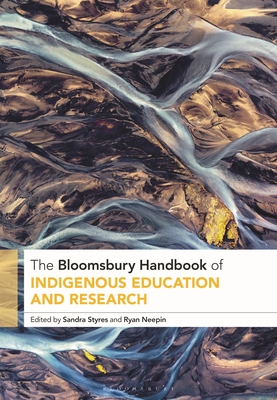
The Bloomsbury Handbook of Indigenous Education and Research
| PUBLISHER | Bloomsbury Academic (09/18/2025) |
| PRODUCT TYPE | Hardcover (Hardcover) |
Description
There are more than 476 million Indigenous peoples living in over 90 countries across the world and most of the children and youth who make up that population globally are denied quality culturally appropriate education. This handbook provides an overview of the field of Indigenous education and its historical context. It covers the myriad of issues that Indigenous learners and educators face, from systemic racism and inequities to inaccuracies in historical re-tellings, to low retention and graduation rates. Written by Indigenous scholars and educators from around the world the book is divided in five sections covering: theoretical perspectives; research methods and ethics; debates on Indigenous sovereignty; two-spirit and Indigiqueer experiences; and pedagogical/practical approaches to teaching. The chapters map out the key themes and issues in Indigenous education including, land philosophies, colonialism, dispossession, borderlands, storytelling, and reconciliation.
Show More
Product Format
Product Details
ISBN-13:
9781350373860
ISBN-10:
1350373869
Binding:
Hardback or Cased Book (Sewn)
Content Language:
English
More Product Details
Page Count:
288
Carton Quantity:
24
Product Dimensions:
6.69 x 0.69 x 9.61 inches
Weight:
1.44 pound(s)
Feature Codes:
Dust Cover
Country of Origin:
US
Subject Information
BISAC Categories
Education | Inclusive Education
Education | Indigenous Studies
Descriptions, Reviews, Etc.
publisher marketing
There are more than 476 million Indigenous peoples living in over 90 countries across the world and most of the children and youth who make up that population globally are denied quality culturally appropriate education. This handbook provides an overview of the field of Indigenous education and its historical context. It covers the myriad of issues that Indigenous learners and educators face, from systemic racism and inequities to inaccuracies in historical re-tellings, to low retention and graduation rates. Written by Indigenous scholars and educators from around the world the book is divided in five sections covering: theoretical perspectives; research methods and ethics; debates on Indigenous sovereignty; two-spirit and Indigiqueer experiences; and pedagogical/practical approaches to teaching. The chapters map out the key themes and issues in Indigenous education including, land philosophies, colonialism, dispossession, borderlands, storytelling, and reconciliation.
Show More
Your Price
$173.25