
ISBN 9781495911064 is currently unpriced. Please contact us for pricing.
Available options are listed below:
Available options are listed below:
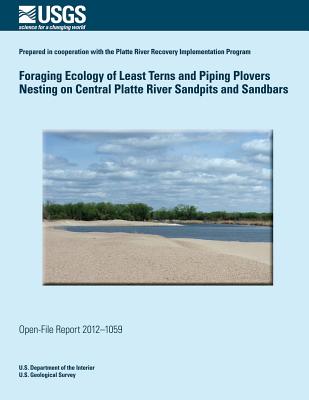
Foraging Ecology of Least Terns and Piping Plovers Nesting on Central Platte River Sandpits and Sandbars
| AUTHOR | U. S. Department of the Interior |
| PUBLISHER | Createspace Independent Publishing Platform (02/19/2014) |
| PRODUCT TYPE | Paperback (Paperback) |
Description
Federally listed least terns (Sternula antillarum) and piping plovers (Charadrius melodus) nest on riverine sandbars on many major midcontinent river systems. On the Central Platte River, availability of sandbar habitat is limited, and both species nest on excavated sandpits in the river's floodplain. However, the extent to which sandpit-nesting birds use riverine habitats for foraging is unknown. We evaluated use of foraging habitats by least terns and piping plovers by collecting data on movements, behavior, foraging habitat, and productivity. We radiomarked 16 piping plovers and 23 least terns in 2009-2010 and monitored their movements using a network of fixed telemetry dataloggers.
Show More
Product Format
Product Details
ISBN-13:
9781495911064
ISBN-10:
1495911063
Binding:
Paperback or Softback (Trade Paperback (Us))
Content Language:
English
More Product Details
Page Count:
60
Carton Quantity:
68
Product Dimensions:
8.50 x 0.12 x 11.02 inches
Weight:
0.36 pound(s)
Country of Origin:
US
Subject Information
BISAC Categories
Nature | General
Descriptions, Reviews, Etc.
publisher marketing
Federally listed least terns (Sternula antillarum) and piping plovers (Charadrius melodus) nest on riverine sandbars on many major midcontinent river systems. On the Central Platte River, availability of sandbar habitat is limited, and both species nest on excavated sandpits in the river's floodplain. However, the extent to which sandpit-nesting birds use riverine habitats for foraging is unknown. We evaluated use of foraging habitats by least terns and piping plovers by collecting data on movements, behavior, foraging habitat, and productivity. We radiomarked 16 piping plovers and 23 least terns in 2009-2010 and monitored their movements using a network of fixed telemetry dataloggers.
Show More