
ISBN 9781505747980 is currently unpriced. Please contact us for pricing.
Available options are listed below:
Available options are listed below:
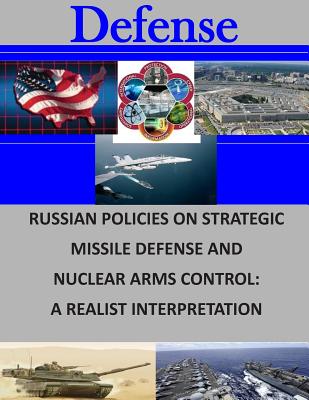
Russian Policies on Strategic Missile Defense and Nuclear Arms Control: A Realist Interpretation
| AUTHOR | Naval Postgraduate School |
| PUBLISHER | Createspace Independent Publishing Platform (12/26/2014) |
| PRODUCT TYPE | Paperback (Paperback) |
Description
Over the past decade, Russia's reemergence on the international stage has been accompanied by a more aggressive foreign policy agenda. This confrontational Russian behavior lends itself to the conduct of a case study of the international relations theory known as realism. This book analyzes Russian decision making on strategic missile defense and nuclear arms control from a realist perspective. Russia's policies appear to be shaped by realist principles such as zero-sum calculations, the existence of an anarchic international system, and the continuing attempts to alter the balance of power to Moscow's advantage. Moscow holds that U.S.-led ballistic missile defense (BMD) efforts could not only neutralize Russia's nuclear deterrent, but upset strategic stability. Russia's nuclear weapons serve a critical deterrent role and fulfill political purposes, so Moscow is highly resistant to nuclear arms reductions beyond those specified in the 2010 New START Treaty. Russia even seeks to modernize and expand its nuclear arsenal, but itwill be constrained by economic realities. Despite these constraints, Russia's great power ambitions hold potential security risks for NATO countries.
Show More
Product Format
Product Details
ISBN-13:
9781505747980
ISBN-10:
1505747988
Binding:
Paperback or Softback (Trade Paperback (Us))
Content Language:
English
More Product Details
Page Count:
86
Carton Quantity:
47
Product Dimensions:
8.50 x 0.18 x 11.00 inches
Weight:
0.49 pound(s)
Country of Origin:
US
Subject Information
BISAC Categories
Political Science | World - Russian & Former Soviet Union
Descriptions, Reviews, Etc.
publisher marketing
Over the past decade, Russia's reemergence on the international stage has been accompanied by a more aggressive foreign policy agenda. This confrontational Russian behavior lends itself to the conduct of a case study of the international relations theory known as realism. This book analyzes Russian decision making on strategic missile defense and nuclear arms control from a realist perspective. Russia's policies appear to be shaped by realist principles such as zero-sum calculations, the existence of an anarchic international system, and the continuing attempts to alter the balance of power to Moscow's advantage. Moscow holds that U.S.-led ballistic missile defense (BMD) efforts could not only neutralize Russia's nuclear deterrent, but upset strategic stability. Russia's nuclear weapons serve a critical deterrent role and fulfill political purposes, so Moscow is highly resistant to nuclear arms reductions beyond those specified in the 2010 New START Treaty. Russia even seeks to modernize and expand its nuclear arsenal, but itwill be constrained by economic realities. Despite these constraints, Russia's great power ambitions hold potential security risks for NATO countries.
Show More