
ISBN 9781508936831 is currently unpriced. Please contact us for pricing.
Available options are listed below:
Available options are listed below:
Become an Inventor: Idea-Generating and Problem-Solving Techniques with Element of TRIZ, SIT, SCAMPER, and More
| AUTHOR | Brostow, Adam Adrian |
| PUBLISHER | Createspace Independent Publishing Platform (03/31/2015) |
| PRODUCT TYPE | Paperback (Paperback) |
Description
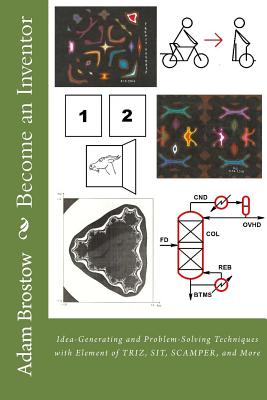
This book talks about idea-generating techniques and creativity tools from historical, critical and personal perspective, shows the relationship between them, and illustrates them with numerous simple and more complex examples and drawings, including actual patented inventions. The techniques vary from systematic to random. The book also shows the application of such techniques to problem-solving, from quirky puzzles to practical applications. It shows the relationship between the natural world, art, and invention. It touches on the patenting process. Some specific topics include constrained creativity, jury-rigging MacGyver style, lateral thinking, and taking advantage of old sources. For example, penicillin could have been discovered much earlier if people paid attention to their predecessors. This book should be useful to engineers, scientists, students, inventors, as well as everyday problem solvers and tinkerers.
Show More
Product Format
Product Details
ISBN-13:
9781508936831
ISBN-10:
1508936838
Binding:
Paperback or Softback (Trade Paperback (Us))
Content Language:
English
More Product Details
Page Count:
104
Carton Quantity:
66
Product Dimensions:
6.00 x 0.27 x 9.00 inches
Weight:
0.45 pound(s)
Country of Origin:
US
Subject Information
BISAC Categories
Technology & Engineering | Inventions
Descriptions, Reviews, Etc.
publisher marketing
This book talks about idea-generating techniques and creativity tools from historical, critical and personal perspective, shows the relationship between them, and illustrates them with numerous simple and more complex examples and drawings, including actual patented inventions. The techniques vary from systematic to random. The book also shows the application of such techniques to problem-solving, from quirky puzzles to practical applications. It shows the relationship between the natural world, art, and invention. It touches on the patenting process. Some specific topics include constrained creativity, jury-rigging MacGyver style, lateral thinking, and taking advantage of old sources. For example, penicillin could have been discovered much earlier if people paid attention to their predecessors. This book should be useful to engineers, scientists, students, inventors, as well as everyday problem solvers and tinkerers.
Show More