
ISBN 9781517131333 is currently unpriced. Please contact us for pricing.
Available options are listed below:
Available options are listed below:
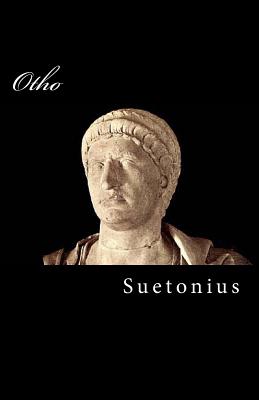
Otho
| AUTHOR | Suetonius |
| PUBLISHER | Createspace Independent Publishing Platform (08/30/2015) |
| PRODUCT TYPE | Paperback (Paperback) |
Description
Gaius Suetonius Tranquillus, commonly known as Suetonius (c. 69 - after 122 AD), was a Roman historian belonging to the equestrian order who wrote during the early Imperial era of the Roman Empire. His most important surviving work is a set of biographies of twelve successive Roman rulers, from Julius Caesar to Domitian, entitled De Vita Caesarum. He recorded the earliest accounts of Julius Caesar's epileptic seizures. Other works by Suetonius concern the daily life of Rome, politics, oratory, and the lives of famous writers, including poets, historians, and grammarians. A few of these books have partially survived, but many have been lost. His full name was Marcus Salvius Otho. Otho's reign was only a few months. Therefore, the book on Otho is short, much as the book on Galba had been. Suetonius used a similar method to describe the life of Otho as he had used to describe the life of Galba. Suetonius describes Otho's family, and their history and nobility. And just as Suetonius had done with prior Caesars, he includes a list of omens regarding Otho's reign and assassination. Suetonius spends most of the book describing the ascension of Otho, his assassination, and the other usual topics. Suetonius suggests that as soon as Otho ascended the throne, he started defending himself against competing claims to the throne. According to Suetonius, Otho suffered a fate similar to the fate Galba had suffered. It was the loyalists of another aspiring emperor (in this case, the next emperor Vitellius) who wanted to kill him. Suetonius claims that one night Otho realized that he would soon be murdered. He contemplated suicide, but decided to sleep one more night before carrying out a suicide. That night he went to bed, with a dagger under his pillow. The next morning he woke up, and stabbed himself to death.
Show More
Product Format
Product Details
ISBN-13:
9781517131333
ISBN-10:
1517131332
Binding:
Paperback or Softback (Trade Paperback (Us))
Content Language:
English
More Product Details
Page Count:
24
Carton Quantity:
342
Product Dimensions:
5.06 x 0.05 x 7.81 inches
Weight:
0.07 pound(s)
Country of Origin:
US
Subject Information
BISAC Categories
History | Ancient - Rome
Descriptions, Reviews, Etc.
publisher marketing
Gaius Suetonius Tranquillus, commonly known as Suetonius (c. 69 - after 122 AD), was a Roman historian belonging to the equestrian order who wrote during the early Imperial era of the Roman Empire. His most important surviving work is a set of biographies of twelve successive Roman rulers, from Julius Caesar to Domitian, entitled De Vita Caesarum. He recorded the earliest accounts of Julius Caesar's epileptic seizures. Other works by Suetonius concern the daily life of Rome, politics, oratory, and the lives of famous writers, including poets, historians, and grammarians. A few of these books have partially survived, but many have been lost. His full name was Marcus Salvius Otho. Otho's reign was only a few months. Therefore, the book on Otho is short, much as the book on Galba had been. Suetonius used a similar method to describe the life of Otho as he had used to describe the life of Galba. Suetonius describes Otho's family, and their history and nobility. And just as Suetonius had done with prior Caesars, he includes a list of omens regarding Otho's reign and assassination. Suetonius spends most of the book describing the ascension of Otho, his assassination, and the other usual topics. Suetonius suggests that as soon as Otho ascended the throne, he started defending himself against competing claims to the throne. According to Suetonius, Otho suffered a fate similar to the fate Galba had suffered. It was the loyalists of another aspiring emperor (in this case, the next emperor Vitellius) who wanted to kill him. Suetonius claims that one night Otho realized that he would soon be murdered. He contemplated suicide, but decided to sleep one more night before carrying out a suicide. That night he went to bed, with a dagger under his pillow. The next morning he woke up, and stabbed himself to death.
Show More