
ISBN 9781523701643 is currently unpriced. Please contact us for pricing.
Available options are listed below:
Available options are listed below:
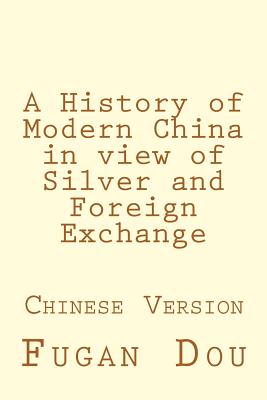
A History of Modern China in View of Silver and Foreign Exchange: Chinese Version
| AUTHOR | Dou, Fugan |
| PUBLISHER | Createspace Independent Publishing Platform (02/23/2016) |
| PRODUCT TYPE | Paperback (Paperback) |
Description
In Chinese modern history, there is a mystery which rarely has been fully answered. That is how China balanced its international payments. Due to China's huge trade deficit plus its enormous foreign debts and indemnifications, China needs to pay out about 4.4 billion Silver Taels during 1900-1930 by some analyst. However, the consensus is China only had 2 billion Silver Taels worth of silver bullion plus 1 billion Silver Taels of foreign debts at that time, which means even if China had paid out all she had, leaving the whole country short of silver bullion, there would be still 1.4 billion unsettled. The surprising truth was China had never lost its silver bullion before 1930's, on the contrary, China gained lots of silver bullion during the time she ought to pay up her huge deficit. So, naturally it comes out the question of how China managed to accomplish that. This book established a hypothesis which attributes such achievement to the western banking system operating in Shanghai under the leadership of HSBC, with an assistance of U.S.A. and Japan. It discarded the traditional explanation that it was Chinese oversea remittance helps China balanced its payments, and assumed it was HSBC who balanced Chinese payments account using it excellent financial techniques and its unique position in terms of foreign exchange. Also, the book discussed a major Japanese influence on this issue apart from the important leading role of British people. At the final chapter, the book revealed how this delicate, sophisticated western banking system had collapsed due to the rapid uprising of Chinese nationalism, and how did the euphoria of Chinese nationalism interrupt the process of modernization and involve China into a stupid, meaningless war with Japanese. When the war was over, China found herself suddenly in a red sea of communism which opened a horrible episode in Chinese modern history.
Show More
Product Format
Product Details
ISBN-13:
9781523701643
ISBN-10:
1523701641
Binding:
Paperback or Softback (Trade Paperback (Us))
Content Language:
Chinese
More Product Details
Page Count:
206
Carton Quantity:
38
Product Dimensions:
6.00 x 0.44 x 9.00 inches
Weight:
0.62 pound(s)
Country of Origin:
US
Subject Information
BISAC Categories
History | Asia - China
Descriptions, Reviews, Etc.
publisher marketing
In Chinese modern history, there is a mystery which rarely has been fully answered. That is how China balanced its international payments. Due to China's huge trade deficit plus its enormous foreign debts and indemnifications, China needs to pay out about 4.4 billion Silver Taels during 1900-1930 by some analyst. However, the consensus is China only had 2 billion Silver Taels worth of silver bullion plus 1 billion Silver Taels of foreign debts at that time, which means even if China had paid out all she had, leaving the whole country short of silver bullion, there would be still 1.4 billion unsettled. The surprising truth was China had never lost its silver bullion before 1930's, on the contrary, China gained lots of silver bullion during the time she ought to pay up her huge deficit. So, naturally it comes out the question of how China managed to accomplish that. This book established a hypothesis which attributes such achievement to the western banking system operating in Shanghai under the leadership of HSBC, with an assistance of U.S.A. and Japan. It discarded the traditional explanation that it was Chinese oversea remittance helps China balanced its payments, and assumed it was HSBC who balanced Chinese payments account using it excellent financial techniques and its unique position in terms of foreign exchange. Also, the book discussed a major Japanese influence on this issue apart from the important leading role of British people. At the final chapter, the book revealed how this delicate, sophisticated western banking system had collapsed due to the rapid uprising of Chinese nationalism, and how did the euphoria of Chinese nationalism interrupt the process of modernization and involve China into a stupid, meaningless war with Japanese. When the war was over, China found herself suddenly in a red sea of communism which opened a horrible episode in Chinese modern history.
Show More