
ISBN 9781572336483 is out of print and is currently unavailable, alternate formats (if applicable) are shown below.
Available options are listed below:
Available options are listed below:
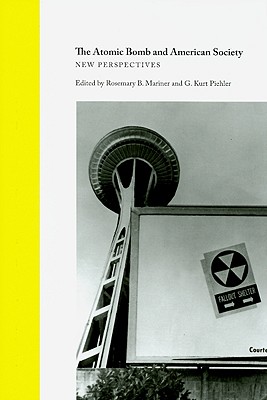
The Atomic Bomb and American Society: New Perspectives (Out of print)
| PUBLISHER | Univ Tennessee Press (03/01/2009) |
| PRODUCT TYPE | Hardcover (Hardcover) |
Description
Drawing on the latest research on the atomic bomb and its history, the
contributors to this provocative collection of eighteen essays set out to
answer two key questions: First, how did the atomic bomb, a product
of unprecedented technological innovation, rapid industrial-scale
manufacturing, and unparalleled military deployment shape U.S. foreign
policy, the communities of workers who produced it, and society as a
whole? And second, how has American society's perception that the
the bomb is a means of military deterrence in the Cold War era
evolve under the influence of mass media, scientists, public intellectuals,
and even the entertainment industry?
In answering these questions, The Atomic Bomb and American Society sheds
light on the collaboration of science and the military in creating the bomb;
the role of women working at Los Alamos; the transformation of nuclear
physicists into public intellectuals as the reality of the bomb came into
widespread consciousness; the revolutionary change in military strategy
following the invention of the bomb and the development of Cold War
ideology; the image of the bomb that was conveyed in the popular media; and
the connection of the bomb to the commemoration of World War II.
As it illuminates the cultural, social, political, environmental, and
historical effects of the creation of the atomic bomb, this volume
contributes to our understanding of how democratic institutions can coexist
with a technology that affects everyone, even if only a few are empowered to
manage it.
Rosemary B. Mariner is formerly Joint Chiefs of Staff Chair and Professor of
Military Studies for the National War College. She is currently a lecturer
in history at the University of Tennessee, Knoxville.
G. Kurt Piehler is associate professor of history and former director of the
Center for the Study of War and Society at the University of Tennessee,
Knoxville, which hosted the conference that formed the basis of this volume.
He is the author of Remembering War the American Way and World War II in the American Soldiers' Lives Series as well as the coeditor, with John Whiteclay Chambers II, of Major Problems in American Military History.
contributors to this provocative collection of eighteen essays set out to
answer two key questions: First, how did the atomic bomb, a product
of unprecedented technological innovation, rapid industrial-scale
manufacturing, and unparalleled military deployment shape U.S. foreign
policy, the communities of workers who produced it, and society as a
whole? And second, how has American society's perception that the
the bomb is a means of military deterrence in the Cold War era
evolve under the influence of mass media, scientists, public intellectuals,
and even the entertainment industry?
In answering these questions, The Atomic Bomb and American Society sheds
light on the collaboration of science and the military in creating the bomb;
the role of women working at Los Alamos; the transformation of nuclear
physicists into public intellectuals as the reality of the bomb came into
widespread consciousness; the revolutionary change in military strategy
following the invention of the bomb and the development of Cold War
ideology; the image of the bomb that was conveyed in the popular media; and
the connection of the bomb to the commemoration of World War II.
As it illuminates the cultural, social, political, environmental, and
historical effects of the creation of the atomic bomb, this volume
contributes to our understanding of how democratic institutions can coexist
with a technology that affects everyone, even if only a few are empowered to
manage it.
Rosemary B. Mariner is formerly Joint Chiefs of Staff Chair and Professor of
Military Studies for the National War College. She is currently a lecturer
in history at the University of Tennessee, Knoxville.
G. Kurt Piehler is associate professor of history and former director of the
Center for the Study of War and Society at the University of Tennessee,
Knoxville, which hosted the conference that formed the basis of this volume.
He is the author of Remembering War the American Way and World War II in the American Soldiers' Lives Series as well as the coeditor, with John Whiteclay Chambers II, of Major Problems in American Military History.
Show More
Product Format
Product Details
ISBN-13:
9781572336483
ISBN-10:
157233648X
Binding:
Hardback or Cased Book (Sewn)
Content Language:
English
More Product Details
Page Count:
480
Carton Quantity:
20
Product Dimensions:
6.25 x 1.34 x 9.23 inches
Weight:
1.77 pound(s)
Feature Codes:
Bibliography,
Index,
Dust Cover,
Price on Product,
Table of Contents,
Illustrated
Country of Origin:
US
Subject Information
BISAC Categories
Technology & Engineering | Military Science
Technology & Engineering | United States - 20th Century
Technology & Engineering | Military - Nuclear Warfare
Dewey Decimal:
355.825
Library of Congress Control Number:
2008034982
Descriptions, Reviews, Etc.
publisher marketing
Drawing on the latest research on the atomic bomb and its history, the
contributors to this provocative collection of eighteen essays set out to
answer two key questions: First, how did the atomic bomb, a product
of unprecedented technological innovation, rapid industrial-scale
manufacturing, and unparalleled military deployment shape U.S. foreign
policy, the communities of workers who produced it, and society as a
whole? And second, how has American society's perception that the
the bomb is a means of military deterrence in the Cold War era
evolve under the influence of mass media, scientists, public intellectuals,
and even the entertainment industry?
In answering these questions, The Atomic Bomb and American Society sheds
light on the collaboration of science and the military in creating the bomb;
the role of women working at Los Alamos; the transformation of nuclear
physicists into public intellectuals as the reality of the bomb came into
widespread consciousness; the revolutionary change in military strategy
following the invention of the bomb and the development of Cold War
ideology; the image of the bomb that was conveyed in the popular media; and
the connection of the bomb to the commemoration of World War II.
As it illuminates the cultural, social, political, environmental, and
historical effects of the creation of the atomic bomb, this volume
contributes to our understanding of how democratic institutions can coexist
with a technology that affects everyone, even if only a few are empowered to
manage it.
Rosemary B. Mariner is formerly Joint Chiefs of Staff Chair and Professor of
Military Studies for the National War College. She is currently a lecturer
in history at the University of Tennessee, Knoxville.
G. Kurt Piehler is associate professor of history and former director of the
Center for the Study of War and Society at the University of Tennessee,
Knoxville, which hosted the conference that formed the basis of this volume.
He is the author of Remembering War the American Way and World War II in the American Soldiers' Lives Series as well as the coeditor, with John Whiteclay Chambers II, of Major Problems in American Military History.
contributors to this provocative collection of eighteen essays set out to
answer two key questions: First, how did the atomic bomb, a product
of unprecedented technological innovation, rapid industrial-scale
manufacturing, and unparalleled military deployment shape U.S. foreign
policy, the communities of workers who produced it, and society as a
whole? And second, how has American society's perception that the
the bomb is a means of military deterrence in the Cold War era
evolve under the influence of mass media, scientists, public intellectuals,
and even the entertainment industry?
In answering these questions, The Atomic Bomb and American Society sheds
light on the collaboration of science and the military in creating the bomb;
the role of women working at Los Alamos; the transformation of nuclear
physicists into public intellectuals as the reality of the bomb came into
widespread consciousness; the revolutionary change in military strategy
following the invention of the bomb and the development of Cold War
ideology; the image of the bomb that was conveyed in the popular media; and
the connection of the bomb to the commemoration of World War II.
As it illuminates the cultural, social, political, environmental, and
historical effects of the creation of the atomic bomb, this volume
contributes to our understanding of how democratic institutions can coexist
with a technology that affects everyone, even if only a few are empowered to
manage it.
Rosemary B. Mariner is formerly Joint Chiefs of Staff Chair and Professor of
Military Studies for the National War College. She is currently a lecturer
in history at the University of Tennessee, Knoxville.
G. Kurt Piehler is associate professor of history and former director of the
Center for the Study of War and Society at the University of Tennessee,
Knoxville, which hosted the conference that formed the basis of this volume.
He is the author of Remembering War the American Way and World War II in the American Soldiers' Lives Series as well as the coeditor, with John Whiteclay Chambers II, of Major Problems in American Military History.
Show More
Editor:
Mariner, Rosemary B.
Rosemary B. Mariner is formerly Joint Chiefs of Staff Chair and Professor of Military Studies for the National War College. She is currently a lecturer in history at the University of Tennessee, Knoxville.
Show More
Editor:
Piehler, G. Kurt
G. KURT PIEHLER is Associate Professor of History at the University of Tennessee, Knoxville. Piehler is author and editor of books on military history
Show More
List Price $42.00
Your Price
$41.58