
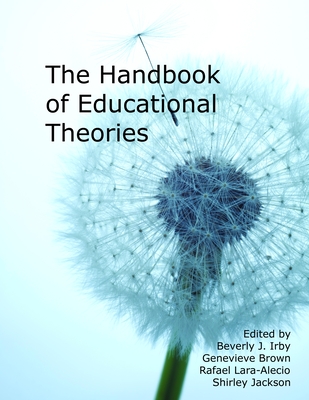
Handbook of Educational Theories for Theoretical Frameworks
| PUBLISHER | Information Age Publishing (01/17/2013) |
| PRODUCT TYPE | Paperback (Paperback) |
Although educational theories are presented in a variety of textbooks and in some discipline specific handbooks and encyclopedias, no publication exists which serves as a comprehensive, consolidated collection of the most influential and most frequently quoted and consulted theories. There is a need to put such theories into a single, easily accessible volume.
A unique feature of the Handbook is the way in which it conveys the theories. The organization of the chapters within each section makes the volume an easy-to-use and tu1derstandable reference tool as researchers and practitioners seek theories to guide their research and practice and as they develop theoretical frameworks. In addition to the traditional theories presented, the Handbook includes emerging theories for the 21st Century as well as presenting practical examples of the use of these theories in research from dissertations and published articles. An appendix which indicates which theories have instruments associated with them and where those instruments can be found is also included.
The Handbook consists of 12 sections. Section I provides the jntroduction with a focus on what constitutes good theory as well as how theory guides research and practice. The remaining sections address Philosophical Educational Constructs, Leaming Theory, Instructional Theory, Curriculum theory, Literacy and Language Acquisition Theory, Counseling Theory, Moral Development Theory, Classroom Management Theory, Assessment Theory, Organizational Theory, and Leadership/Management Theory. Each section consists of an overview written by the section editor of the general theoretical concepts to be addressed by the chapter authors. Each chapter within the section will include (a) a description of the theory with goals, assumptions, and aspects particular to the theory, (b) the original development of and interactions of the theory, (c) validation of the theory, (d) generalizability of the theory across cultures, ethnicities, and genders, (e) the use and application of the theory, (f) critiques of the theory, (g) any instruments associated with the theory, and (h) two to five particular studies exemplifying particular theories as individuals have used them in theoretical framework of dissertations or published articles and be written by the original theorist or prominent contributors to the theory.
The Handbook is intended for graduate students enrolled in research courses or completing theses and dissertations. Additionally, professors of all educational disciplines in the social scierices would be an interested audience. There is also potential use of the text as administrators, counselors, and teachers in schools use theory to guide practice. As more inquiry is being promoted among school leaders, this book has more meaning for practitioners.
Although educational theories are presented in a variety of textbooks and in some discipline specific handbooks and encyclopedias, no publication exists which serves as a comprehensive, consolidated collection of the most influential and most frequently quoted and consulted theories. There is a need to put such theories into a single, easily accessible volume.
A unique feature of the Handbook is the way in which it conveys the theories. The organization of the chapters within each section makes the volume an easy-to-use and tu1derstandable reference tool as researchers and practitioners seek theories to guide their research and practice and as they develop theoretical frameworks. In addition to the traditional theories presented, the Handbook includes emerging theories for the 21st Century as well as presenting practical examples of the use of these theories in research from dissertations and published articles. An appendix which indicates which theories have instruments associated with them and where those instruments can be found is also included.
The Handbook consists of 12 sections. Section I provides the jntroduction with a focus on what constitutes good theory as well as how theory guides research and practice. The remaining sections address Philosophical Educational Constructs, Leaming Theory, Instructional Theory, Curriculum theory, Literacy and Language Acquisition Theory, Counseling Theory, Moral Development Theory, Classroom Management Theory, Assessment Theory, Organizational Theory, and Leadership/Management Theory. Each section consists of an overview written by the section editor of the general theoretical concepts to be addressed by the chapter authors. Each chapter within the section will include (a) a description of the theory with goals, assumptions, and aspects particular to the theory, (b) the original development of and interactions of the theory, (c) validation of the theory, (d) generalizability of the theory across cultures, ethnicities, and genders, (e) the use and application of the theory, (f) critiques of the theory, (g) any instruments associated with the theory, and (h) two to five particular studies exemplifying particular theories as individuals have used them in theoretical framework of dissertations or published articles and be written by the original theorist or prominent contributors to the theory.
The Handbook is intended for graduate students enrolled in research courses or completing theses and dissertations. Additionally, professors of all educational disciplines in the social scierices would be an interested audience. There is also potential use of the text as administrators, counselors, and teachers in schools use theory to guide practice. As more inquiry is being promoted among school leaders, this book has more meaning for practitioners.