
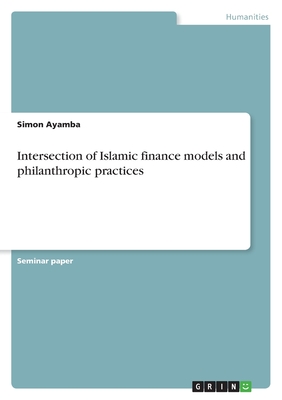
Intersection of Islamic finance models and philanthropic practices
| AUTHOR | Ayamba, Simon |
| PUBLISHER | Grin Verlag (04/27/2024) |
| PRODUCT TYPE | Paperback (Paperback) |
Description
Seminar paper from the year 2024 in the subject Sociology - Economy and Industry, grade: 2,0, University of Cape Coast (University of Cape Coast), language: English, abstract: This paper explores the intersection of Islamic finance models and philanthropic practices, highlighting their complementary roles in promoting sustainable and socially responsible economic development. It delves into the core principles and frameworks underlying Islamic finance, such as risk-sharing, asset-backing, and the avoidance of interest-based transactions. The article then examines how these principles can be leveraged to design innovative financial instruments and structures that support and amplify philanthropic efforts, including endowments (waqf), zakat, and other charitable giving mechanisms. The discussion analyses the potential of Islamic finance models to enhance the reach, effectiveness and long-term impact of philanthropic initiatives, particularly in addressing pressing social and environmental challenges. The paper concludes by outlining future research directions and practical implications for integrating Islamic finance and philanthropy to foster more equitable, inclusive, and sustainable economic systems.
Show More
Product Format
Product Details
ISBN-13:
9783389030738
ISBN-10:
3389030735
Binding:
Paperback or Softback (Trade Paperback (Us))
Content Language:
English
More Product Details
Page Count:
38
Carton Quantity:
186
Product Dimensions:
5.83 x 0.09 x 8.27 inches
Weight:
0.14 pound(s)
Country of Origin:
US
Subject Information
BISAC Categories
Social Science | Sociology - General
Descriptions, Reviews, Etc.
publisher marketing
Seminar paper from the year 2024 in the subject Sociology - Economy and Industry, grade: 2,0, University of Cape Coast (University of Cape Coast), language: English, abstract: This paper explores the intersection of Islamic finance models and philanthropic practices, highlighting their complementary roles in promoting sustainable and socially responsible economic development. It delves into the core principles and frameworks underlying Islamic finance, such as risk-sharing, asset-backing, and the avoidance of interest-based transactions. The article then examines how these principles can be leveraged to design innovative financial instruments and structures that support and amplify philanthropic efforts, including endowments (waqf), zakat, and other charitable giving mechanisms. The discussion analyses the potential of Islamic finance models to enhance the reach, effectiveness and long-term impact of philanthropic initiatives, particularly in addressing pressing social and environmental challenges. The paper concludes by outlining future research directions and practical implications for integrating Islamic finance and philanthropy to foster more equitable, inclusive, and sustainable economic systems.
Show More
List Price $40.90
Your Price
$40.49