
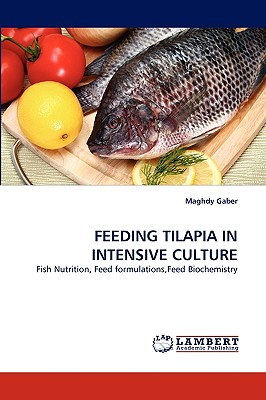
Feeding Tilapia in Intensive Culture
| AUTHOR | Gaber, Maghdy |
| PUBLISHER | LAP Lambert Academic Publishing (08/11/2010) |
| PRODUCT TYPE | Paperback (Paperback) |
Description
Fish growth is, in most extensive way in which the fish food requirements met by natural food supply. Further increases in production tilapia in Egypt are linked with the use of intensive technologies of their cultivation. An important feature of the intensification of aquaculture is to increase the stocking density for cultivation of fish. Proportional growth of fish is increasing demands from nutrients to cover they need for growth. In industrial methods of cultivation, in the tanks and cages fishery products is almost entirely derived from feed. The share of feed in intensive aquaculture accounts for more than 50% of the cost of rearing fish. Production feed for fish is traditionally based on fishmeal, which is characterized by high protein content and balanced amino acids. However, fish meal is the most expensive and scarce as source of protein in feeding animals and fish. Some attempts to partial or total replacement of fishmeal on the way, by using local, available sources of protein have been insufficient to address this problem.
Show More
Product Format
Product Details
ISBN-13:
9783838390833
ISBN-10:
3838390830
Binding:
Paperback or Softback (Trade Paperback (Us))
Content Language:
English
More Product Details
Page Count:
268
Carton Quantity:
30
Product Dimensions:
6.00 x 0.61 x 9.00 inches
Weight:
0.87 pound(s)
Country of Origin:
US
Subject Information
BISAC Categories
Science | Life Sciences - Biochemistry
Descriptions, Reviews, Etc.
publisher marketing
Fish growth is, in most extensive way in which the fish food requirements met by natural food supply. Further increases in production tilapia in Egypt are linked with the use of intensive technologies of their cultivation. An important feature of the intensification of aquaculture is to increase the stocking density for cultivation of fish. Proportional growth of fish is increasing demands from nutrients to cover they need for growth. In industrial methods of cultivation, in the tanks and cages fishery products is almost entirely derived from feed. The share of feed in intensive aquaculture accounts for more than 50% of the cost of rearing fish. Production feed for fish is traditionally based on fishmeal, which is characterized by high protein content and balanced amino acids. However, fish meal is the most expensive and scarce as source of protein in feeding animals and fish. Some attempts to partial or total replacement of fishmeal on the way, by using local, available sources of protein have been insufficient to address this problem.
Show More
Your Price
$101.32