
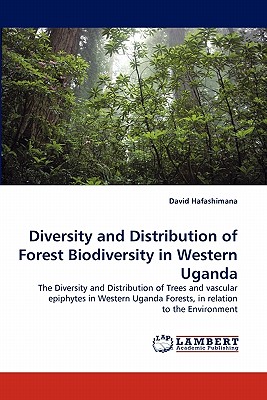
Diversity and Distribution of Forest Biodiversity in Western Uganda
| AUTHOR | Hafashimana, David |
| PUBLISHER | LAP Lambert Academic Publishing (09/26/2010) |
| PRODUCT TYPE | Paperback (Paperback) |
Description
Forest Plant diversity is quite high in western Uganda forests, affiliated to the forests of the Congo basin that are relics of the postulated late Pleistocene refugia. The diversity of both trees and vascular epiphytes is mainly influenced by Soil pH, Annual Precipitation as well as Altitude. For epiphytes, the total annual precipitation is not just important, but also its distribution throughout the year as they depend on the availability of moisture in the air around their "host trees" (phorophytes) unlike trees which can withstand longer periods of drought after establishment as their roots are in deeper soil layers where local drought may not affect them. Forests located within close proximity of permanent rivers tended to have a higher epiphyte diversity (both in species and numbers) than those that experience severe drought. Some trees are more specialized to survive in Acidic soils, while others are adapted to survive in more or less neutral soils. There was no significant difference in tree diversity between forests with highly acidic soils and those with almost neutral soils. The book is handy for Foresters, Botanists, Conservationists and Naturalists
Show More
Product Format
Product Details
ISBN-13:
9783838391892
ISBN-10:
3838391896
Binding:
Paperback or Softback (Trade Paperback (Us))
Content Language:
English
More Product Details
Page Count:
232
Carton Quantity:
34
Product Dimensions:
6.00 x 0.53 x 9.00 inches
Weight:
0.76 pound(s)
Country of Origin:
US
Subject Information
BISAC Categories
Science | Life Sciences - Botany
Descriptions, Reviews, Etc.
publisher marketing
Forest Plant diversity is quite high in western Uganda forests, affiliated to the forests of the Congo basin that are relics of the postulated late Pleistocene refugia. The diversity of both trees and vascular epiphytes is mainly influenced by Soil pH, Annual Precipitation as well as Altitude. For epiphytes, the total annual precipitation is not just important, but also its distribution throughout the year as they depend on the availability of moisture in the air around their "host trees" (phorophytes) unlike trees which can withstand longer periods of drought after establishment as their roots are in deeper soil layers where local drought may not affect them. Forests located within close proximity of permanent rivers tended to have a higher epiphyte diversity (both in species and numbers) than those that experience severe drought. Some trees are more specialized to survive in Acidic soils, while others are adapted to survive in more or less neutral soils. There was no significant difference in tree diversity between forests with highly acidic soils and those with almost neutral soils. The book is handy for Foresters, Botanists, Conservationists and Naturalists
Show More
Your Price
$101.32