
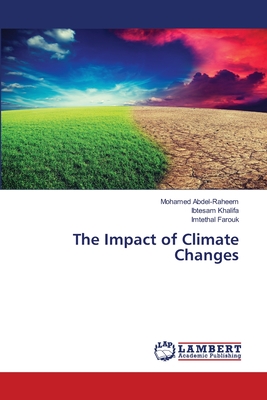
The Impact of Climate Changes
| AUTHOR | Farouk, Imtethal; Khalifa, Ibtesam; Abdel-Raheem, Mohamed |
| PUBLISHER | LAP Lambert Academic Publishing (01/02/2023) |
| PRODUCT TYPE | Paperback (Paperback) |
Description
Responsible for 80% of the food we eat and 98% of the oxygen we breathe, plants are a pillar of life on earth. But they are under threat. Up to 40 percent of food crops are lost to plant pests and diseases each year according to the FAO. When disease outbreaks occur, the impacts can be devastating. In the 1840s, the Irish potato famine, caused by the fungal disease late blight, killed around one million people and caused another million to emigrate. The recent invasion of desert locusts throughout the horn of Africa - the worst in decades - shows how vulnerable crops are to pests as well. The desert locust is one of the most destructive pests in the world, with one small swarm covering one square kilometer eating the same amount of food per day as 35,000 people. The outbreak could even provoke a humanitarian crisis, according to the FAO. Climate change is one factor driving the spread of pests and diseases, along with increasing global trade. Climate change can affect the population size, survival rate and geographical distribution of pests; and the intensity, development and geographical distribution of diseases.
Show More
Product Format
Product Details
ISBN-13:
9786205630518
ISBN-10:
6205630516
Binding:
Paperback or Softback (Trade Paperback (Us))
Content Language:
English
More Product Details
Page Count:
240
Carton Quantity:
30
Product Dimensions:
6.00 x 0.55 x 9.00 inches
Weight:
0.79 pound(s)
Country of Origin:
US
Subject Information
BISAC Categories
Science | Life Sciences - Horticulture
Descriptions, Reviews, Etc.
publisher marketing
Responsible for 80% of the food we eat and 98% of the oxygen we breathe, plants are a pillar of life on earth. But they are under threat. Up to 40 percent of food crops are lost to plant pests and diseases each year according to the FAO. When disease outbreaks occur, the impacts can be devastating. In the 1840s, the Irish potato famine, caused by the fungal disease late blight, killed around one million people and caused another million to emigrate. The recent invasion of desert locusts throughout the horn of Africa - the worst in decades - shows how vulnerable crops are to pests as well. The desert locust is one of the most destructive pests in the world, with one small swarm covering one square kilometer eating the same amount of food per day as 35,000 people. The outbreak could even provoke a humanitarian crisis, according to the FAO. Climate change is one factor driving the spread of pests and diseases, along with increasing global trade. Climate change can affect the population size, survival rate and geographical distribution of pests; and the intensity, development and geographical distribution of diseases.
Show More
Your Price
$109.25