
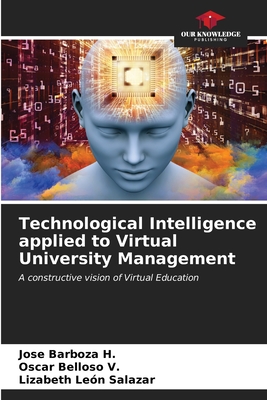
Technological Intelligence applied to Virtual University Management
| AUTHOR | Belloso V., Oscar; Barboza H., Jos; Len Salazar, Lizabeth |
| PUBLISHER | Our Knowledge Publishing (11/26/2023) |
| PRODUCT TYPE | Paperback (Paperback) |
Description
Virtual University Management is leveraged on Technological Intelligence in order to take advantage of the benefits of a distance learning platform and optimise performance indicators in academic, extension and research processes. In addition to the challenges of generating employment opportunities and entrepreneurship based on innovation aimed at the welfare of citizens. In this sense, each element of intelligence incorporated into the virtual education and training model improves aspects of attention and evaluation of university processes. Emphasis is placed on strengthening the levels of links with the socio-productive sectors. The productive path of the universities is traced in the permanent monitoring of flanks that can be exploited for improvement and innovation through the incorporation of new technologies. In this way, information and communication technologies intertwined with virtual learning spaces promote better results for university organisations.
Show More
Product Format
Product Details
ISBN-13:
9786206877509
ISBN-10:
6206877507
Binding:
Paperback or Softback (Trade Paperback (Us))
Content Language:
English
More Product Details
Page Count:
60
Carton Quantity:
118
Product Dimensions:
6.00 x 0.14 x 9.00 inches
Weight:
0.22 pound(s)
Country of Origin:
US
Descriptions, Reviews, Etc.
publisher marketing
Virtual University Management is leveraged on Technological Intelligence in order to take advantage of the benefits of a distance learning platform and optimise performance indicators in academic, extension and research processes. In addition to the challenges of generating employment opportunities and entrepreneurship based on innovation aimed at the welfare of citizens. In this sense, each element of intelligence incorporated into the virtual education and training model improves aspects of attention and evaluation of university processes. Emphasis is placed on strengthening the levels of links with the socio-productive sectors. The productive path of the universities is traced in the permanent monitoring of flanks that can be exploited for improvement and innovation through the incorporation of new technologies. In this way, information and communication technologies intertwined with virtual learning spaces promote better results for university organisations.
Show More
Your Price
$52.25