
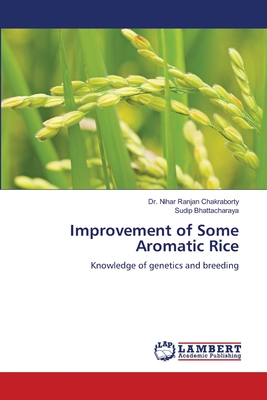
Improvement of Some Aromatic Rice
| AUTHOR | Bhattacharaya, Sudip; Chakraborty, Nihar Ranjan |
| PUBLISHER | LAP Lambert Academic Publishing (06/25/2025) |
| PRODUCT TYPE | Paperback (Paperback) |
Description
Twenty eight aromatic rice genotypes were grown in a randomized complete block design with three replications for two kharif seasons. Information on sixteen quantitative characters analyzed biometrically. The estimates of genetic variability indicated the predominance of additive gene action for the expression of characters. The result of path analysis indicating that selection for important characters which will help improve grain yield in the population under study. Studies on genetic divergence revealed that all 28 genotypes could be grouped in to 5 clusters. The clustering pattern of genotypes indicated little relation of genetic divergence with geographical differentiation. Considering genetic divergence, relative importance of characters in determining the yield in this particular population and per performance of the genotypes as well as cluster means, crossing between the intra-cluster genotypes are most likely to yield a considerable amount of hetrosis in F1 generation and to provide a wide spectrum of recombinants in segregating generations.
Show More
Product Format
Product Details
ISBN-13:
9786207464906
ISBN-10:
6207464907
Binding:
Paperback or Softback (Trade Paperback (Us))
Content Language:
English
More Product Details
Page Count:
72
Carton Quantity:
98
Product Dimensions:
6.00 x 0.17 x 9.00 inches
Weight:
0.24 pound(s)
Country of Origin:
US
Subject Information
BISAC Categories
Science | Life Sciences - Horticulture
Descriptions, Reviews, Etc.
publisher marketing
Twenty eight aromatic rice genotypes were grown in a randomized complete block design with three replications for two kharif seasons. Information on sixteen quantitative characters analyzed biometrically. The estimates of genetic variability indicated the predominance of additive gene action for the expression of characters. The result of path analysis indicating that selection for important characters which will help improve grain yield in the population under study. Studies on genetic divergence revealed that all 28 genotypes could be grouped in to 5 clusters. The clustering pattern of genotypes indicated little relation of genetic divergence with geographical differentiation. Considering genetic divergence, relative importance of characters in determining the yield in this particular population and per performance of the genotypes as well as cluster means, crossing between the intra-cluster genotypes are most likely to yield a considerable amount of hetrosis in F1 generation and to provide a wide spectrum of recombinants in segregating generations.
Show More
Your Price
$60.56