
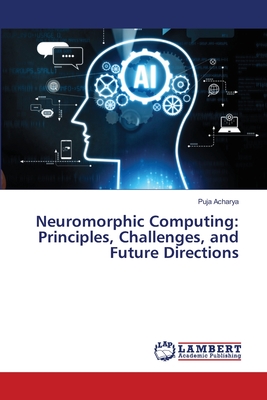
Neuromorphic Computing: Principles, Challenges, and Future Directions
| AUTHOR | Acharya, Puja |
| PUBLISHER | LAP Lambert Academic Publishing (03/12/2024) |
| PRODUCT TYPE | Paperback (Paperback) |
Description
The book begins with an introduction to the principles of neuromorphic computing, highlighting its inspiration from the structure and function of the human brain's neural networks. It discusses the key components of neuromorphic systems, including spiking neurons, synaptic connections, and event-driven processing, and explains how these elements contribute to the parallelism, low-power operation, and adaptability characteristic of biological neural networks. Building upon this foundation, the book explores the current challenges facing neuromorphic computing, with a particular focus on scalability, robustness, and the need for novel algorithms and programming paradigms. It discusses the limitations of existing neuromorphic hardware architectures and algorithms, and examines potential strategies for overcoming these challenges through interdisciplinary research, open collaboration, and innovative solutions. In addition to addressing the challenges, the book also explores the future directions of neuromorphic computing, highlighting emerging trends and promising research directions.
Show More
Product Format
Product Details
ISBN-13:
9786207471904
ISBN-10:
6207471903
Binding:
Paperback or Softback (Trade Paperback (Us))
Content Language:
English
More Product Details
Page Count:
60
Carton Quantity:
118
Product Dimensions:
6.00 x 0.14 x 9.00 inches
Weight:
0.22 pound(s)
Country of Origin:
US
Subject Information
BISAC Categories
Technology & Engineering | General
Descriptions, Reviews, Etc.
publisher marketing
The book begins with an introduction to the principles of neuromorphic computing, highlighting its inspiration from the structure and function of the human brain's neural networks. It discusses the key components of neuromorphic systems, including spiking neurons, synaptic connections, and event-driven processing, and explains how these elements contribute to the parallelism, low-power operation, and adaptability characteristic of biological neural networks. Building upon this foundation, the book explores the current challenges facing neuromorphic computing, with a particular focus on scalability, robustness, and the need for novel algorithms and programming paradigms. It discusses the limitations of existing neuromorphic hardware architectures and algorithms, and examines potential strategies for overcoming these challenges through interdisciplinary research, open collaboration, and innovative solutions. In addition to addressing the challenges, the book also explores the future directions of neuromorphic computing, highlighting emerging trends and promising research directions.
Show More
Your Price
$57.00