
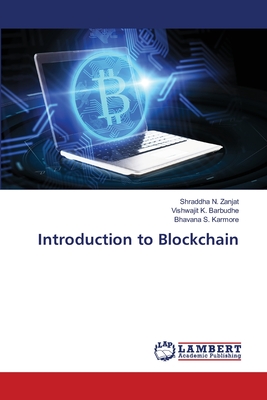
Introduction to Blockchain
| AUTHOR | Barbudhe, Vishwajit K.; Karmore, Bhavana S.; Zanjat, Shraddha N. |
| PUBLISHER | LAP Lambert Academic Publishing (03/12/2024) |
| PRODUCT TYPE | Paperback (Paperback) |
Description
Blockchain, a revolutionary technology, serves as the foundation for decentralized and transparent digital transactions. At its core, it is a distributed ledger system that securely records and verifies transactions across a network of computers. Each block in the chain contains a timestamp and a cryptographic hash of the previous block, creating an immutable and tamper-resistant record. The decentralized nature of blockchain eliminates the need for intermediaries, fostering trust in peer-to-peer transactions. Initially developed as the underlying technology for cryptocurrencies like Bitcoin, blockchain has transcended its origins and found applications in various industries. Smart contracts, self-executing contracts with coded terms, further enhance blockchain's capabilities by automating and enforcing agreements. The potential of blockchain extends to supply chain management, healthcare, finance, and beyond, promising increased efficiency, transparency, and security in an ever-evolving digital landscape. As this transformative technology continues to evolve, its impact on reshaping traditional business models and fostering innovation remains profound.
Show More
Product Format
Product Details
ISBN-13:
9786207472215
ISBN-10:
6207472217
Binding:
Paperback or Softback (Trade Paperback (Us))
Content Language:
English
More Product Details
Page Count:
184
Carton Quantity:
40
Product Dimensions:
6.00 x 0.42 x 9.00 inches
Weight:
0.61 pound(s)
Country of Origin:
US
Subject Information
BISAC Categories
Computers | General
Descriptions, Reviews, Etc.
publisher marketing
Blockchain, a revolutionary technology, serves as the foundation for decentralized and transparent digital transactions. At its core, it is a distributed ledger system that securely records and verifies transactions across a network of computers. Each block in the chain contains a timestamp and a cryptographic hash of the previous block, creating an immutable and tamper-resistant record. The decentralized nature of blockchain eliminates the need for intermediaries, fostering trust in peer-to-peer transactions. Initially developed as the underlying technology for cryptocurrencies like Bitcoin, blockchain has transcended its origins and found applications in various industries. Smart contracts, self-executing contracts with coded terms, further enhance blockchain's capabilities by automating and enforcing agreements. The potential of blockchain extends to supply chain management, healthcare, finance, and beyond, promising increased efficiency, transparency, and security in an ever-evolving digital landscape. As this transformative technology continues to evolve, its impact on reshaping traditional business models and fostering innovation remains profound.
Show More
Your Price
$102.12