
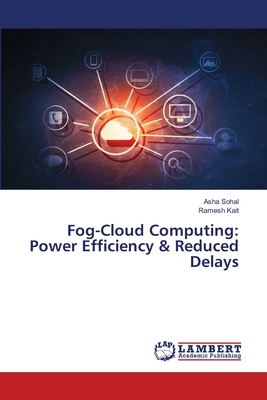
Fog-Cloud Computing: Power Efficiency & Reduced Delays
| AUTHOR | Kait, Ramesh; Sohal, Asha |
| PUBLISHER | LAP Lambert Academic Publishing (03/25/2024) |
| PRODUCT TYPE | Paperback (Paperback) |
Description
Fog-cloud computing represents a paradigm shift in distributed computing, offering a novel approach to optimizing power consumption and reducing delays in data processing. This innovative architecture combines the strengths of edge computing (fog) and centralized cloud resources to distribute computing tasks efficiently across the network, minimizing energy usage and latency while enhancing overall system performance.At its core, fog-cloud computing aims to address the limitations of traditional cloud computing, such as high latency and bandwidth constraints, by bringing computation closer to the data source. In fog computing, edge devices, such as sensors, actuators, and mobile devices, process data locally, while cloud servers handle more complex tasks and provide additional resources as needed. This distributed approach enables real-time processing of data at the edge, reducing the need for data transmission to centralized servers and mitigating the impact of network latency.One of the key advantages of fog-cloud computing is its ability to optimize power.
Show More
Product Format
Product Details
ISBN-13:
9786207474615
ISBN-10:
6207474619
Binding:
Paperback or Softback (Trade Paperback (Us))
Content Language:
English
More Product Details
Page Count:
60
Carton Quantity:
118
Product Dimensions:
6.00 x 0.14 x 9.00 inches
Weight:
0.22 pound(s)
Country of Origin:
US
Subject Information
BISAC Categories
Computers | Networking - General
Descriptions, Reviews, Etc.
publisher marketing
Fog-cloud computing represents a paradigm shift in distributed computing, offering a novel approach to optimizing power consumption and reducing delays in data processing. This innovative architecture combines the strengths of edge computing (fog) and centralized cloud resources to distribute computing tasks efficiently across the network, minimizing energy usage and latency while enhancing overall system performance.At its core, fog-cloud computing aims to address the limitations of traditional cloud computing, such as high latency and bandwidth constraints, by bringing computation closer to the data source. In fog computing, edge devices, such as sensors, actuators, and mobile devices, process data locally, while cloud servers handle more complex tasks and provide additional resources as needed. This distributed approach enables real-time processing of data at the edge, reducing the need for data transmission to centralized servers and mitigating the impact of network latency.One of the key advantages of fog-cloud computing is its ability to optimize power.
Show More
Your Price
$55.81