
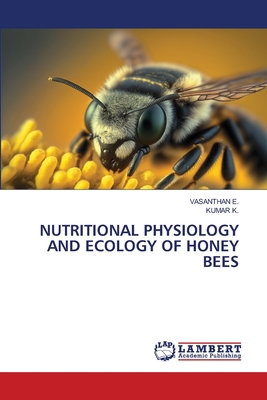
Nutritional Physiology and Ecology of Honey Bees
| AUTHOR | E, Vasanthan; K, Kumar |
| PUBLISHER | LAP Lambert Academic Publishing (06/26/2024) |
| PRODUCT TYPE | Paperback (Paperback) |
Description
Honey bees (Apis mellifera) are vital pollinators whose nutritional physiology and ecology are crucial for their survival and efficiency. They require a balanced diet consisting of carbohydrates, primarily obtained from nectar and converted into honey for energy; proteins from pollen, essential for brood rearing and gland development; lipids for cellular functions and hormone synthesis; and vitamins and minerals for various metabolic processes. Their specialized digestive system efficiently processes these nutrients. Ecologically, honey bees thrive in diverse habitats where floral diversity ensures the availability of necessary nutrients. Their foraging behaviour is influenced by the nutritional quality and availability of floral resources, which in turn affects their health and the health of the colony. Understanding these aspects is essential for their conservation and for enhancing their role in pollination.
Show More
Product Format
Product Details
ISBN-13:
9786207808335
ISBN-10:
6207808339
Binding:
Paperback or Softback (Trade Paperback (Us))
Content Language:
English
More Product Details
Page Count:
60
Carton Quantity:
118
Product Dimensions:
6.00 x 0.14 x 9.00 inches
Weight:
0.22 pound(s)
Country of Origin:
US
Subject Information
BISAC Categories
Science | Life Sciences - Horticulture
Descriptions, Reviews, Etc.
publisher marketing
Honey bees (Apis mellifera) are vital pollinators whose nutritional physiology and ecology are crucial for their survival and efficiency. They require a balanced diet consisting of carbohydrates, primarily obtained from nectar and converted into honey for energy; proteins from pollen, essential for brood rearing and gland development; lipids for cellular functions and hormone synthesis; and vitamins and minerals for various metabolic processes. Their specialized digestive system efficiently processes these nutrients. Ecologically, honey bees thrive in diverse habitats where floral diversity ensures the availability of necessary nutrients. Their foraging behaviour is influenced by the nutritional quality and availability of floral resources, which in turn affects their health and the health of the colony. Understanding these aspects is essential for their conservation and for enhancing their role in pollination.
Show More
Your Price
$57.00