
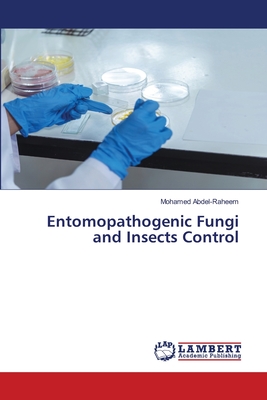
Entomopathogenic Fungi and Insects Control
| AUTHOR | Abdel-Raheem, Mohamed |
| PUBLISHER | LAP Lambert Academic Publishing (07/05/2024) |
| PRODUCT TYPE | Paperback (Paperback) |
Description
Agricultural pests include plant pathogens (Entomopathogenic fungi). There are estimated to be about 67,000 different pest species.They are constraint on agricultural production, responsible for around 40% loss of potential global crop yields. These losses occur despite the considerable efforts made at pest control, and they suggest that control on pest management are the best way forward for improving yields and access to food. Pest problems are inevitable part of agriculture. They occur seriously because systems of agriculture are very simplified, not stable modifications of natural ecosystems. The agricultural land disrupts the ecological forces that regulate potential insect pests species in natural ecosystems. Farming can do the physico-chemical environment more favourable for pest activity, for example irrigation or the warm conditions that found in glasshouses. Finally, using of pesticides will destroy natural predators and parasites that help keep pests always under control.
Show More
Product Format
Product Details
ISBN-13:
9786207841851
ISBN-10:
6207841859
Binding:
Paperback or Softback (Trade Paperback (Us))
Content Language:
English
More Product Details
Page Count:
132
Carton Quantity:
54
Product Dimensions:
6.00 x 0.31 x 9.00 inches
Weight:
0.45 pound(s)
Country of Origin:
US
Subject Information
BISAC Categories
Science | Life Sciences - Horticulture
Descriptions, Reviews, Etc.
publisher marketing
Agricultural pests include plant pathogens (Entomopathogenic fungi). There are estimated to be about 67,000 different pest species.They are constraint on agricultural production, responsible for around 40% loss of potential global crop yields. These losses occur despite the considerable efforts made at pest control, and they suggest that control on pest management are the best way forward for improving yields and access to food. Pest problems are inevitable part of agriculture. They occur seriously because systems of agriculture are very simplified, not stable modifications of natural ecosystems. The agricultural land disrupts the ecological forces that regulate potential insect pests species in natural ecosystems. Farming can do the physico-chemical environment more favourable for pest activity, for example irrigation or the warm conditions that found in glasshouses. Finally, using of pesticides will destroy natural predators and parasites that help keep pests always under control.
Show More
Your Price
$89.06