
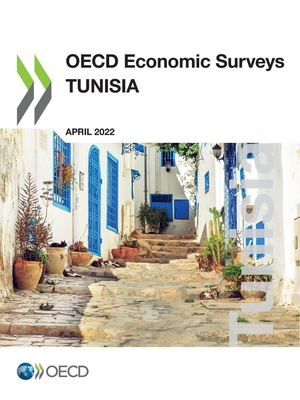
OECD Economic Surveys: Tunisia 2022
| AUTHOR | Oecd |
| PUBLISHER | OECD (07/06/2022) |
| PRODUCT TYPE | Paperback (Paperback) |
Description
Tunisians are facing the worst crisis in a generation, as COVID-19 hit an economy that was already slowing down. Macroeconomic policy through fiscal stimulus and monetary easing limited the depth and severity of the recession, but the pandemic has exacerbated structural weaknesses, in particular low investment and job creation, high unemployment and informality, mismatch between skills demand and supply, and outward migration of high-skilled professionals. Children who have been deprived of school for a long period will face severe challenges in resuming normal life. The second OECD Economic Survey takes stock of progress made since 2018 and makes recommendations in key policy areas such as public spending, state-owned enterprises, employment, education, vocational training, trade, taxation and the business environment. Implementing such reforms would produce a large growth dividend and put public debt on a more sustainable path. But unless bold action is taken soon, the crisis will have a lasting effect on the potential of Tunisia to resume its income convergence process.
SPECIAL FEATURES: EMPLOYMENT AND SKILLS
Show More
Product Format
Product Details
ISBN-13:
9789264651616
ISBN-10:
9264651616
Binding:
Paperback or Softback (Trade Paperback (Us))
Content Language:
English
More Product Details
Page Count:
142
Carton Quantity:
22
Product Dimensions:
8.25 x 0.39 x 11.00 inches
Weight:
0.98 pound(s)
Country of Origin:
US
Subject Information
BISAC Categories
Business & Economics | Economics - General
Business & Economics | Public Policy - Economic Policy
Descriptions, Reviews, Etc.
publisher marketing
Tunisians are facing the worst crisis in a generation, as COVID-19 hit an economy that was already slowing down. Macroeconomic policy through fiscal stimulus and monetary easing limited the depth and severity of the recession, but the pandemic has exacerbated structural weaknesses, in particular low investment and job creation, high unemployment and informality, mismatch between skills demand and supply, and outward migration of high-skilled professionals. Children who have been deprived of school for a long period will face severe challenges in resuming normal life. The second OECD Economic Survey takes stock of progress made since 2018 and makes recommendations in key policy areas such as public spending, state-owned enterprises, employment, education, vocational training, trade, taxation and the business environment. Implementing such reforms would produce a large growth dividend and put public debt on a more sustainable path. But unless bold action is taken soon, the crisis will have a lasting effect on the potential of Tunisia to resume its income convergence process.
SPECIAL FEATURES: EMPLOYMENT AND SKILLS
Show More
List Price $60.00
Your Price
$59.40