
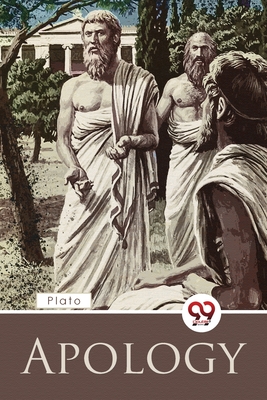
Apology
| AUTHOR | Plato |
| PUBLISHER | Double 9 Booksllp (01/01/2023) |
| PRODUCT TYPE | Paperback (Paperback) |
Description
The Apology by Plato is a description of the statement Socrates gives during his trial. Socrates is accused of creating new gods and ruining Athens' young. By no means is Socrates' speech an ""apology"" in the sense we use today. Socrates generally uses extremely simple, conversational language. Socrates compares himself to a gadfly stinging a lethargic horse, the Athenian state, in The Apology of Socrates. He then starts questioning Meletus, who was essentially in charge of presenting Socrates to the jury. This is one of the rare times Socrates employs the cross-examination technique, or questioning, which is so prevalent in most Platonic dialogues. He makes the lighthearted suggestion that if he were to receive what he merits, he should be rewarded with a delectable feast for his significant contributions to the state. He claims that only the gods know what occurs after death when the jury rejects his recommendation and executes him.
Show More
Product Format
Product Details
ISBN-13:
9789357279871
ISBN-10:
9357279873
Binding:
Paperback or Softback (Trade Paperback (Us))
Content Language:
English
More Product Details
Page Count:
42
Carton Quantity:
168
Product Dimensions:
6.00 x 0.10 x 9.00 inches
Weight:
0.17 pound(s)
Country of Origin:
US
Subject Information
BISAC Categories
Philosophy | Ethics & Moral Philosophy
Philosophy | Political
Philosophy | History & Surveys - Ancient & Classical
Descriptions, Reviews, Etc.
publisher marketing
The Apology by Plato is a description of the statement Socrates gives during his trial. Socrates is accused of creating new gods and ruining Athens' young. By no means is Socrates' speech an ""apology"" in the sense we use today. Socrates generally uses extremely simple, conversational language. Socrates compares himself to a gadfly stinging a lethargic horse, the Athenian state, in The Apology of Socrates. He then starts questioning Meletus, who was essentially in charge of presenting Socrates to the jury. This is one of the rare times Socrates employs the cross-examination technique, or questioning, which is so prevalent in most Platonic dialogues. He makes the lighthearted suggestion that if he were to receive what he merits, he should be rewarded with a delectable feast for his significant contributions to the state. He claims that only the gods know what occurs after death when the jury rejects his recommendation and executes him.
Show More
List Price $7.99
Your Price
$7.91