
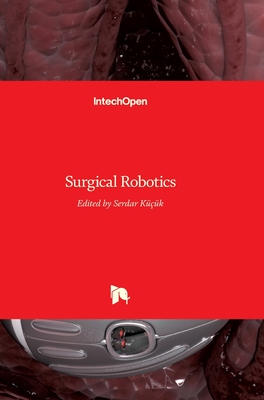
Surgical Robotics
| PUBLISHER | Intechopen (01/04/2018) |
| PRODUCT TYPE | Hardcover (Hardcover) |
Description
Robotic technology has increasingly been preferred by the medical professionals since they have been used for several clinical applications. Medical robots are preferred since they present better results compared to traditional methods such as smaller incision, higher accuracy, and lesser recovery time. Medical robots can be divided into three progressive generations. The first-generation robots were originally industrial robots that had been modified for performing medical applications in orthopedics, neurosurgery, radiology, and radiotherapy in the 1980s. The second-generation robots have been especially developed for executing surgical operations in the 1990s. After the 2000s, the third-generation medical robots have been designed for performing difficult surgical and medical operations. From the first approved surgical robot AESOP to the current da Vinci Surgical System, there have been several different kinds of surgical robots produced until now. Although the history of surgical robots is very short compared to the history of surgery, thousands of surgical robots have been installed in hospitals worldwide, and hundreds of thousands of people have been treated by these surgical robots. Nowadays, the achievements of the surgical robotics amaze both medical professionals and the patients. It is noteworthy to follow up on the evolution of surgical robotics in the future.
Show More
Product Format
Product Details
ISBN-13:
9789535137191
ISBN-10:
9535137190
Binding:
Hardback or Cased Book (Sewn)
Content Language:
English
More Product Details
Page Count:
162
Carton Quantity:
38
Product Dimensions:
6.69 x 0.44 x 9.61 inches
Weight:
1.02 pound(s)
Country of Origin:
US
Subject Information
BISAC Categories
Technology & Engineering | Automation
Descriptions, Reviews, Etc.
publisher marketing
Robotic technology has increasingly been preferred by the medical professionals since they have been used for several clinical applications. Medical robots are preferred since they present better results compared to traditional methods such as smaller incision, higher accuracy, and lesser recovery time. Medical robots can be divided into three progressive generations. The first-generation robots were originally industrial robots that had been modified for performing medical applications in orthopedics, neurosurgery, radiology, and radiotherapy in the 1980s. The second-generation robots have been especially developed for executing surgical operations in the 1990s. After the 2000s, the third-generation medical robots have been designed for performing difficult surgical and medical operations. From the first approved surgical robot AESOP to the current da Vinci Surgical System, there have been several different kinds of surgical robots produced until now. Although the history of surgical robots is very short compared to the history of surgery, thousands of surgical robots have been installed in hospitals worldwide, and hundreds of thousands of people have been treated by these surgical robots. Nowadays, the achievements of the surgical robotics amaze both medical professionals and the patients. It is noteworthy to follow up on the evolution of surgical robotics in the future.
Show More
List Price $155.00
Your Price
$153.45