
ISBN 9798264489341 is currently unpriced. Please contact us for pricing.
Available options are listed below:
Available options are listed below:
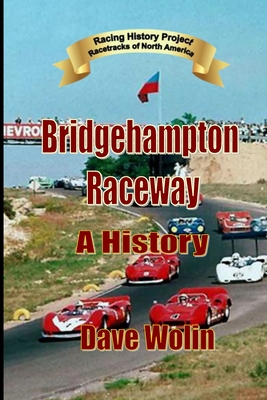
Bridgehampton Raceway - A History
| AUTHOR | Wolin, Dave |
| PUBLISHER | Independently Published (10/01/2025) |
| PRODUCT TYPE | Paperback (Paperback) |
Description
Bridgehampton hosted racing through the streets from 1904 until 1953 when a strong anti racing on public roads movement plus a racing fatality put a stop to it. A group of enthusiasts raised some money and built a track that was described by Stirling Moss as "the most challenging course in America". Some great international racing, the Double 400's., NASCAR, the Trans Am and Can Am were held, most barely covering the costs. New groups took over, tried just renting to clubs and similar and hung on until it became a golf course, a similar fate to many racetracks that are now housing developments or shopping malls. Limited by weather to a May to October season, one hundred miles of ovedrcrowded roads from New York City, a lack of infrastructure like hotels to support the growing size of race teams and competition with the growing gentrified area all took it's toll
Show More
Product Format
Product Details
ISBN-13:
9798264489341
Binding:
Paperback or Softback (Trade Paperback (Us))
Content Language:
English
More Product Details
Page Count:
322
Carton Quantity:
24
Product Dimensions:
6.00 x 0.67 x 9.00 inches
Weight:
0.95 pound(s)
Country of Origin:
US
Subject Information
BISAC Categories
Technology & Engineering | Automotive
Descriptions, Reviews, Etc.
publisher marketing
Bridgehampton hosted racing through the streets from 1904 until 1953 when a strong anti racing on public roads movement plus a racing fatality put a stop to it. A group of enthusiasts raised some money and built a track that was described by Stirling Moss as "the most challenging course in America". Some great international racing, the Double 400's., NASCAR, the Trans Am and Can Am were held, most barely covering the costs. New groups took over, tried just renting to clubs and similar and hung on until it became a golf course, a similar fate to many racetracks that are now housing developments or shopping malls. Limited by weather to a May to October season, one hundred miles of ovedrcrowded roads from New York City, a lack of infrastructure like hotels to support the growing size of race teams and competition with the growing gentrified area all took it's toll
Show More