
ISBN 9798285796381 is currently unpriced. Please contact us for pricing.
Available options are listed below:
Available options are listed below:
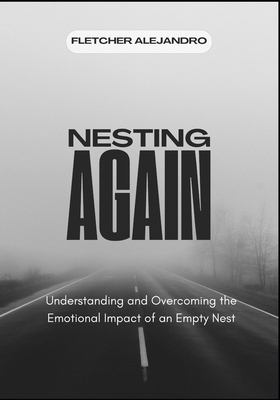
Nesting Again: Understanding and Overcoming the Emotional Impact of an Empty Nest
| AUTHOR | Alejandro, Fletcher |
| PUBLISHER | Independently Published (05/29/2025) |
| PRODUCT TYPE | Paperback (Paperback) |
Description
Empty Nest Syndrome (ENS) is a term used to describe the emotional feelings, often of sadness or loneliness, that parents may experience when their children leave home for the first time. This phase can be both a challenging and transformative time for many parents as they adjust to a new family dynamic.
The emotions associated with Empty Nest Syndrome can range from a sense of loss and sadness to feelings of freedom and relief. Some parents may struggle with the changes, feeling disconnected from their children and unsure of how to redefine their role within the family.
Here are some common experiences associated with Empty Nest Syndrome:
- Grief and Loss: Parents may feel a sense of mourning over the loss of the daily interaction with their children.
- Identity Changes: The role of "parent" may feel less defined once the children are no longer living at home, leading to a reevaluation of personal identity.
- Relationship Strain: With the absence of children, the focus may shift back to the relationship between the parents, sometimes revealing tensions or bringing couples closer together.
- Focus on Self-Care: Empty nesters often use the time to rediscover hobbies, engage in self-care, or focus on professional pursuits.
- Reconnection with Other Relationships: With more time on their hands, parents may reconnect with friends or family members, which can provide emotional support.
While it's common for parents to feel sad or unsettled, Empty Nest Syndrome can also present an opportunity for personal growth, transformation, and reestablishing personal goals and priorities. Seeking support from others who are going through the same experience, or speaking with a therapist, can help individuals navigate this transition successfully.
The emotions associated with Empty Nest Syndrome can range from a sense of loss and sadness to feelings of freedom and relief. Some parents may struggle with the changes, feeling disconnected from their children and unsure of how to redefine their role within the family.
Here are some common experiences associated with Empty Nest Syndrome:
- Grief and Loss: Parents may feel a sense of mourning over the loss of the daily interaction with their children.
- Identity Changes: The role of "parent" may feel less defined once the children are no longer living at home, leading to a reevaluation of personal identity.
- Relationship Strain: With the absence of children, the focus may shift back to the relationship between the parents, sometimes revealing tensions or bringing couples closer together.
- Focus on Self-Care: Empty nesters often use the time to rediscover hobbies, engage in self-care, or focus on professional pursuits.
- Reconnection with Other Relationships: With more time on their hands, parents may reconnect with friends or family members, which can provide emotional support.
While it's common for parents to feel sad or unsettled, Empty Nest Syndrome can also present an opportunity for personal growth, transformation, and reestablishing personal goals and priorities. Seeking support from others who are going through the same experience, or speaking with a therapist, can help individuals navigate this transition successfully.
Show More
Product Format
Product Details
ISBN-13:
9798285796381
Binding:
Paperback or Softback (Trade Paperback (Us))
Content Language:
English
More Product Details
Page Count:
90
Carton Quantity:
45
Product Dimensions:
7.00 x 0.19 x 10.00 inches
Weight:
0.38 pound(s)
Country of Origin:
US
Subject Information
BISAC Categories
Family & Relationships | Life Stages - Mid-Life
Descriptions, Reviews, Etc.
publisher marketing
Empty Nest Syndrome (ENS) is a term used to describe the emotional feelings, often of sadness or loneliness, that parents may experience when their children leave home for the first time. This phase can be both a challenging and transformative time for many parents as they adjust to a new family dynamic.
The emotions associated with Empty Nest Syndrome can range from a sense of loss and sadness to feelings of freedom and relief. Some parents may struggle with the changes, feeling disconnected from their children and unsure of how to redefine their role within the family.
Here are some common experiences associated with Empty Nest Syndrome:
- Grief and Loss: Parents may feel a sense of mourning over the loss of the daily interaction with their children.
- Identity Changes: The role of "parent" may feel less defined once the children are no longer living at home, leading to a reevaluation of personal identity.
- Relationship Strain: With the absence of children, the focus may shift back to the relationship between the parents, sometimes revealing tensions or bringing couples closer together.
- Focus on Self-Care: Empty nesters often use the time to rediscover hobbies, engage in self-care, or focus on professional pursuits.
- Reconnection with Other Relationships: With more time on their hands, parents may reconnect with friends or family members, which can provide emotional support.
While it's common for parents to feel sad or unsettled, Empty Nest Syndrome can also present an opportunity for personal growth, transformation, and reestablishing personal goals and priorities. Seeking support from others who are going through the same experience, or speaking with a therapist, can help individuals navigate this transition successfully.
The emotions associated with Empty Nest Syndrome can range from a sense of loss and sadness to feelings of freedom and relief. Some parents may struggle with the changes, feeling disconnected from their children and unsure of how to redefine their role within the family.
Here are some common experiences associated with Empty Nest Syndrome:
- Grief and Loss: Parents may feel a sense of mourning over the loss of the daily interaction with their children.
- Identity Changes: The role of "parent" may feel less defined once the children are no longer living at home, leading to a reevaluation of personal identity.
- Relationship Strain: With the absence of children, the focus may shift back to the relationship between the parents, sometimes revealing tensions or bringing couples closer together.
- Focus on Self-Care: Empty nesters often use the time to rediscover hobbies, engage in self-care, or focus on professional pursuits.
- Reconnection with Other Relationships: With more time on their hands, parents may reconnect with friends or family members, which can provide emotional support.
While it's common for parents to feel sad or unsettled, Empty Nest Syndrome can also present an opportunity for personal growth, transformation, and reestablishing personal goals and priorities. Seeking support from others who are going through the same experience, or speaking with a therapist, can help individuals navigate this transition successfully.
Show More