
ISBN 9798289277435 is currently unpriced. Please contact us for pricing.
Available options are listed below:
Available options are listed below:
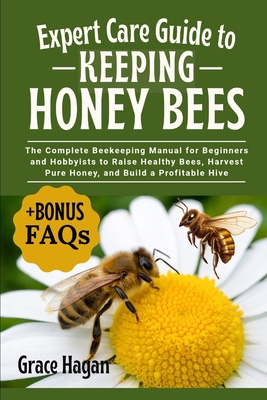
Expert Care Guide to Keeping Honey Bees: The Complete Beekeeping Manual For Beginners And Hobbyists To Raise Healthy Bees, Harvest Pure Honey, And Bui
| AUTHOR | Hagan, Grace |
| PUBLISHER | Independently Published (06/23/2025) |
| PRODUCT TYPE | Paperback (Paperback) |
Description
Honey bees (Apis mellifera) have been intertwined with human civilization for thousands of years. Archaeological evidence suggests that humans began harvesting honey over 9,000 years ago, as seen in ancient cave paintings in Spain. Ancient Egyptians kept bees in clay hives and used honey not only as food but also as medicine and in religious rituals. The Greeks and Romans valued beekeeping highly, both for honey and for beeswax, which was essential for candle-making and writing tablets.
The importance of honey bees extends far beyond honey production:
Beekeeping offers numerous rewards, both personal and ecological: Personal and Economic Benefits
Honey bees are social insects that live in highly organized colonies with a clear division of labor. Each colony typically has around 20,000 to 60,000 bees during peak season and includes: The Queen Bee
The importance of honey bees extends far beyond honey production:
- Pollination: Honey bees play a critical role in global agriculture by pollinating over 75% of the fruits, vegetables, nuts, and oilseeds we consume. This includes crops like apples, almonds, blueberries, cucumbers, and many more.
- Ecosystem Health: Bees contribute to biodiversity by pollinating wild plants, which support other wildlife species.
- Economic Impact: Globally, the economic value of pollination services by bees is estimated to be hundreds of billions of dollars annually.
Beekeeping offers numerous rewards, both personal and ecological: Personal and Economic Benefits
- Honey Production: Beekeepers harvest raw, natural honey that is unprocessed and full of flavor and nutrients.
- Other Hive Products: Beeswax, propolis, royal jelly, and pollen can be used for candles, balms, supplements, and cosmetics.
- Income Potential: Selling honey and hive products at farmers' markets or online can provide supplemental income.
- Gardening Benefits: Bees help increase the yield of home gardens and orchards by pollinating flowers.
- Pollinator Support: Beekeeping helps strengthen local pollinator populations.
- Education and Awareness: Beekeeping can foster environmental stewardship and interest in natural sciences.
- Community Engagement: Local beekeeping groups often provide a sense of community, knowledge-sharing, and advocacy.
- Stress Reduction: Working with bees requires patience and calmness, which can be meditative.
- Connection with Nature: Observing hive activity deepens awareness of natural rhythms and seasonal changes.
Honey bees are social insects that live in highly organized colonies with a clear division of labor. Each colony typically has around 20,000 to 60,000 bees during peak season and includes: The Queen Bee
- Single fertile female responsible for laying all the eggs (up to 2,000 per day).
- Produces pheromones that regulate colony behavior and cohesion.
- Can live up to 3-5 years, although many beekeepers replace queens more frequently.
- Sterile females that make up the majority of the hive.
- Their roles change with age:
- Days 1-3: Clean cells, including the one they hatched from.
- Days 4-10: Feed larvae and the queen (nurse bees).
- Days 11-20: Produce wax, build comb, receive nectar, and guard the hive.
- Days 21+: Forage for nectar, pollen, water, and propolis.
- Days 1-3: Clean cells, including the one they hatched from.
- Live about 4-6 weeks during summer, longer in winter.
Show More
Product Format
Product Details
ISBN-13:
9798289277435
Binding:
Paperback or Softback (Trade Paperback (Us))
Content Language:
English
More Product Details
Page Count:
178
Carton Quantity:
44
Product Dimensions:
6.00 x 0.38 x 9.00 inches
Weight:
0.54 pound(s)
Country of Origin:
US
Subject Information
BISAC Categories
Technology & Engineering | Agriculture - Beekeeping
Descriptions, Reviews, Etc.
publisher marketing
Honey bees (Apis mellifera) have been intertwined with human civilization for thousands of years. Archaeological evidence suggests that humans began harvesting honey over 9,000 years ago, as seen in ancient cave paintings in Spain. Ancient Egyptians kept bees in clay hives and used honey not only as food but also as medicine and in religious rituals. The Greeks and Romans valued beekeeping highly, both for honey and for beeswax, which was essential for candle-making and writing tablets.
The importance of honey bees extends far beyond honey production:
Beekeeping offers numerous rewards, both personal and ecological: Personal and Economic Benefits
Honey bees are social insects that live in highly organized colonies with a clear division of labor. Each colony typically has around 20,000 to 60,000 bees during peak season and includes: The Queen Bee
The importance of honey bees extends far beyond honey production:
- Pollination: Honey bees play a critical role in global agriculture by pollinating over 75% of the fruits, vegetables, nuts, and oilseeds we consume. This includes crops like apples, almonds, blueberries, cucumbers, and many more.
- Ecosystem Health: Bees contribute to biodiversity by pollinating wild plants, which support other wildlife species.
- Economic Impact: Globally, the economic value of pollination services by bees is estimated to be hundreds of billions of dollars annually.
Beekeeping offers numerous rewards, both personal and ecological: Personal and Economic Benefits
- Honey Production: Beekeepers harvest raw, natural honey that is unprocessed and full of flavor and nutrients.
- Other Hive Products: Beeswax, propolis, royal jelly, and pollen can be used for candles, balms, supplements, and cosmetics.
- Income Potential: Selling honey and hive products at farmers' markets or online can provide supplemental income.
- Gardening Benefits: Bees help increase the yield of home gardens and orchards by pollinating flowers.
- Pollinator Support: Beekeeping helps strengthen local pollinator populations.
- Education and Awareness: Beekeeping can foster environmental stewardship and interest in natural sciences.
- Community Engagement: Local beekeeping groups often provide a sense of community, knowledge-sharing, and advocacy.
- Stress Reduction: Working with bees requires patience and calmness, which can be meditative.
- Connection with Nature: Observing hive activity deepens awareness of natural rhythms and seasonal changes.
Honey bees are social insects that live in highly organized colonies with a clear division of labor. Each colony typically has around 20,000 to 60,000 bees during peak season and includes: The Queen Bee
- Single fertile female responsible for laying all the eggs (up to 2,000 per day).
- Produces pheromones that regulate colony behavior and cohesion.
- Can live up to 3-5 years, although many beekeepers replace queens more frequently.
- Sterile females that make up the majority of the hive.
- Their roles change with age:
- Days 1-3: Clean cells, including the one they hatched from.
- Days 4-10: Feed larvae and the queen (nurse bees).
- Days 11-20: Produce wax, build comb, receive nectar, and guard the hive.
- Days 21+: Forage for nectar, pollen, water, and propolis.
- Days 1-3: Clean cells, including the one they hatched from.
- Live about 4-6 weeks during summer, longer in winter.
Show More