
Available options are listed below:
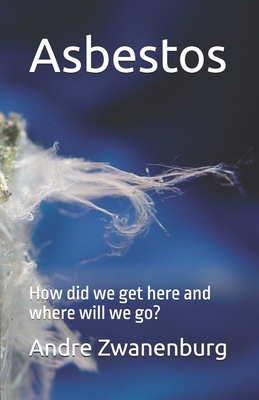
Asbestos: How did we get here and where will we go?
| AUTHOR | Zwanenburg, Andre |
| PUBLISHER | Independently Published (01/29/2025) |
| PRODUCT TYPE | Paperback (Paperback) |
Asbestos: How Did We Get Here, and Where Will We Go? is a thorough and accessible exploration of one of the most controversial and harmful materials in modern history. From its rise as an industrial miracle to its devastating health effects and continuing legacy, this book traces the complex journey of asbestos, answering why it became so widely used, how its dangers were ignored for so long, and where we stand today in the ongoing battle against its harmful effects.
The author begins by providing a historical overview of asbestos-its natural properties, early uses, and initial popularity in industries like construction, shipbuilding, automotive manufacturing, and insulation. Once celebrated for its resistance to heat, fire, and corrosion, asbestos was hailed as a miracle material. Yet, as the book explains, this widespread adoption came at a tragic cost that would take decades to fully comprehend.
The second part of the book delves into the devastating health effects of asbestos exposure, shedding light on the diseases it causes-mesothelioma, lung cancer, and asbestosis-and why these illnesses are so deadly. With its ability to remain dormant in the body for decades, asbestos exposure is often undetected until it is too late, making it a silent killer. The author details how even brief contact with asbestos fibers can lead to life-threatening conditions years later, making prevention and awareness crucial in avoiding these risks.
The narrative also explores the legal battles that have arisen as a result of asbestos-related health problems. From the first lawsuits in the 1970s to the mass litigation that continues today, the author examines key court. These cases are not only about compensation for victims but also about holding corporations accountable for knowingly exposing workers and the public to asbestos. This section of the book provides a deep dive into the ethics, economics, and challenges of asbestos litigation, as well as the ongoing fight for justice and compensation for those who suffer from asbestos-related diseases.
Alongside these medical and legal discussions, the book provides practical guidance on how to safely manage and remove asbestos from buildings. Asbestos remains a hazard in millions of older homes, schools, and workplaces, even though its use has been banned or severely restricted in many countries. The author details the latest abatement techniques, including proper identification, containment, removal, and disposal methods. This section is aimed at contractors, building owners, and safety professionals, offering expert advice on how to minimize exposure and ensure safe handling of asbestos.
The final chapters look to the future, considering how we can move forward in dealing with asbestos. While the material is no longer in widespread use, it remains a significant problem in many existing structures. The author examines current global efforts to eliminate asbestos from the built environment, the role of public health organizations, and advocate groups. The book asks the critical question: Where do we go from here? It looks at the ongoing challenges of asbestos removal, the regulatory landscape, and how society can work to prevent further harm in the future.
Asbestos: How Did We Get Here, and Where Will We Go? is an essential resource for anyone who wants to understand the full scope of the asbestos issue-its past, present, and future. Whether you're a homeowner dealing with asbestos in your home, a worker in a hazardous industry, a healthcare professional, or simply a concerned citizen, this book offers a balanced, comprehensive look at one of the most pressing public health issues of our time. Through a blend of history, science, law, and practical advice, it aims to educate and empower readers to navigate the complicated legacy of asbestos and work toward a safer, healthier future.
Asbestos: How Did We Get Here, and Where Will We Go? is a thorough and accessible exploration of one of the most controversial and harmful materials in modern history. From its rise as an industrial miracle to its devastating health effects and continuing legacy, this book traces the complex journey of asbestos, answering why it became so widely used, how its dangers were ignored for so long, and where we stand today in the ongoing battle against its harmful effects.
The author begins by providing a historical overview of asbestos-its natural properties, early uses, and initial popularity in industries like construction, shipbuilding, automotive manufacturing, and insulation. Once celebrated for its resistance to heat, fire, and corrosion, asbestos was hailed as a miracle material. Yet, as the book explains, this widespread adoption came at a tragic cost that would take decades to fully comprehend.
The second part of the book delves into the devastating health effects of asbestos exposure, shedding light on the diseases it causes-mesothelioma, lung cancer, and asbestosis-and why these illnesses are so deadly. With its ability to remain dormant in the body for decades, asbestos exposure is often undetected until it is too late, making it a silent killer. The author details how even brief contact with asbestos fibers can lead to life-threatening conditions years later, making prevention and awareness crucial in avoiding these risks.
The narrative also explores the legal battles that have arisen as a result of asbestos-related health problems. From the first lawsuits in the 1970s to the mass litigation that continues today, the author examines key court. These cases are not only about compensation for victims but also about holding corporations accountable for knowingly exposing workers and the public to asbestos. This section of the book provides a deep dive into the ethics, economics, and challenges of asbestos litigation, as well as the ongoing fight for justice and compensation for those who suffer from asbestos-related diseases.
Alongside these medical and legal discussions, the book provides practical guidance on how to safely manage and remove asbestos from buildings. Asbestos remains a hazard in millions of older homes, schools, and workplaces, even though its use has been banned or severely restricted in many countries. The author details the latest abatement techniques, including proper identification, containment, removal, and disposal methods. This section is aimed at contractors, building owners, and safety professionals, offering expert advice on how to minimize exposure and ensure safe handling of asbestos.
The final chapters look to the future, considering how we can move forward in dealing with asbestos. While the material is no longer in widespread use, it remains a significant problem in many existing structures. The author examines current global efforts to eliminate asbestos from the built environment, the role of public health organizations, and advocate groups. The book asks the critical question: Where do we go from here? It looks at the ongoing challenges of asbestos removal, the regulatory landscape, and how society can work to prevent further harm in the future.
Asbestos: How Did We Get Here, and Where Will We Go? is an essential resource for anyone who wants to understand the full scope of the asbestos issue-its past, present, and future. Whether you're a homeowner dealing with asbestos in your home, a worker in a hazardous industry, a healthcare professional, or simply a concerned citizen, this book offers a balanced, comprehensive look at one of the most pressing public health issues of our time. Through a blend of history, science, law, and practical advice, it aims to educate and empower readers to navigate the complicated legacy of asbestos and work toward a safer, healthier future.