
ISBN 9798314174173 is currently unpriced. Please contact us for pricing.
Available options are listed below:
Available options are listed below:
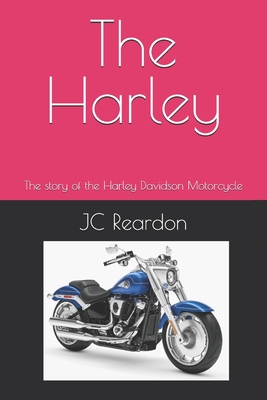
The Harley: The story of the Harley Davidson Motorcycle
| AUTHOR | Reardon, Jc |
| PUBLISHER | Independently Published (03/14/2025) |
| PRODUCT TYPE | Paperback (Paperback) |
Description
Harley-Davidson is one of the most iconic motorcycle manufacturers in the world, with a rich history dating back over a century. Here's a brief history of the company and its legendary motorcycles:
Founding and Early Years (1903-1919)
Harley-Davidson is known for its V-Twin engines, loud exhausts, and strong biker culture. The brand has built a loyal following, with clubs like the Harley Owners Group (HOG) and a reputation for producing some of the most iconic motorcycles in history.
Founding and Early Years (1903-1919)
- 1903: Harley-Davidson was founded in Milwaukee, Wisconsin, by William S. Harley, Arthur Davidson, Walter Davidson, and William A. Davidson. They built their first prototype motorcycle in a small wooden shed.
- 1904: The first Harley-Davidson dealer, C.H. Lang of Chicago, sold one of their early bikes.
- 1907: The company was officially incorporated, and they began producing motorcycles on a larger scale.
- 1909: Harley-Davidson introduced its first V-Twin engine, which would become a signature feature of the brand.
- 1917-1919 (World War I): The U.S. military ordered thousands of Harley-Davidson motorcycles for wartime use.
- 1920: Harley-Davidson became the largest motorcycle manufacturer in the world, selling bikes in over 67 countries.
- 1929: Introduced the Flathead engine, which became popular for its reliability.
- 1936: Launched the Knucklehead engine, setting the stage for modern Harley-Davidson designs.
- 1941-1945 (World War II): Harley-Davidson supplied motorcycles to the U.S. military, producing the famous WLA model, nicknamed the "Liberator."
- 1948: Introduced the Panhead engine, which improved performance.
- 1957: Released the Sportster, one of the most iconic and long-running Harley-Davidson models.
- 1969: Harley-Davidson merged with American Machine and Foundry (AMF), leading to increased production but also quality control issues.
- 1970s: Faced competition from Japanese manufacturers like Honda, Yamaha, and Kawasaki.
- 1981: A group of Harley-Davidson executives led by Willie G. Davidson bought the company back from AMF.
- 1984: Launched the Evolution (Evo) engine, significantly improving performance and reliability.
- 1990s: Introduced models like the Fat Boy and Road King, which became instant classics.
- 2000s: Harley-Davidson expanded its lineup with more touring and cruiser bikes.
- 2014: Released the Street 500 and Street 750, aiming at a younger audience.
- 2019: Entered the electric motorcycle market with the LiveWire.
- 2021: Launched Pan America 1250, Harley-Davidson's first adventure touring motorcycle.
Harley-Davidson is known for its V-Twin engines, loud exhausts, and strong biker culture. The brand has built a loyal following, with clubs like the Harley Owners Group (HOG) and a reputation for producing some of the most iconic motorcycles in history.
Show More
Product Format
Product Details
ISBN-13:
9798314174173
Binding:
Paperback or Softback (Trade Paperback (Us))
Content Language:
English
More Product Details
Page Count:
282
Carton Quantity:
28
Product Dimensions:
6.00 x 0.59 x 9.00 inches
Weight:
0.84 pound(s)
Country of Origin:
US
Subject Information
BISAC Categories
Reference | Consumer Guides
Descriptions, Reviews, Etc.
publisher marketing
Harley-Davidson is one of the most iconic motorcycle manufacturers in the world, with a rich history dating back over a century. Here's a brief history of the company and its legendary motorcycles:
Founding and Early Years (1903-1919)
Harley-Davidson is known for its V-Twin engines, loud exhausts, and strong biker culture. The brand has built a loyal following, with clubs like the Harley Owners Group (HOG) and a reputation for producing some of the most iconic motorcycles in history.
Founding and Early Years (1903-1919)
- 1903: Harley-Davidson was founded in Milwaukee, Wisconsin, by William S. Harley, Arthur Davidson, Walter Davidson, and William A. Davidson. They built their first prototype motorcycle in a small wooden shed.
- 1904: The first Harley-Davidson dealer, C.H. Lang of Chicago, sold one of their early bikes.
- 1907: The company was officially incorporated, and they began producing motorcycles on a larger scale.
- 1909: Harley-Davidson introduced its first V-Twin engine, which would become a signature feature of the brand.
- 1917-1919 (World War I): The U.S. military ordered thousands of Harley-Davidson motorcycles for wartime use.
- 1920: Harley-Davidson became the largest motorcycle manufacturer in the world, selling bikes in over 67 countries.
- 1929: Introduced the Flathead engine, which became popular for its reliability.
- 1936: Launched the Knucklehead engine, setting the stage for modern Harley-Davidson designs.
- 1941-1945 (World War II): Harley-Davidson supplied motorcycles to the U.S. military, producing the famous WLA model, nicknamed the "Liberator."
- 1948: Introduced the Panhead engine, which improved performance.
- 1957: Released the Sportster, one of the most iconic and long-running Harley-Davidson models.
- 1969: Harley-Davidson merged with American Machine and Foundry (AMF), leading to increased production but also quality control issues.
- 1970s: Faced competition from Japanese manufacturers like Honda, Yamaha, and Kawasaki.
- 1981: A group of Harley-Davidson executives led by Willie G. Davidson bought the company back from AMF.
- 1984: Launched the Evolution (Evo) engine, significantly improving performance and reliability.
- 1990s: Introduced models like the Fat Boy and Road King, which became instant classics.
- 2000s: Harley-Davidson expanded its lineup with more touring and cruiser bikes.
- 2014: Released the Street 500 and Street 750, aiming at a younger audience.
- 2019: Entered the electric motorcycle market with the LiveWire.
- 2021: Launched Pan America 1250, Harley-Davidson's first adventure touring motorcycle.
Harley-Davidson is known for its V-Twin engines, loud exhausts, and strong biker culture. The brand has built a loyal following, with clubs like the Harley Owners Group (HOG) and a reputation for producing some of the most iconic motorcycles in history.
Show More