
ISBN 9798314691441 is currently unpriced. Please contact us for pricing.
Available options are listed below:
Available options are listed below:
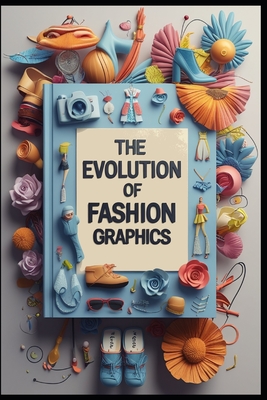
The Evolution of Fashion Graphics
| AUTHOR | Abdo, Saad |
| PUBLISHER | Independently Published (03/19/2025) |
| PRODUCT TYPE | Paperback (Paperback) |
Description
The book opens by exploring the vital connection between art and commerce, emphasizing how graphic design serves as a bridge between aesthetic creativity and commercial functionality. It sets the stage for understanding how graphic design is not just about creating pleasing visuals but also about conveying messages, influencing perceptions, and driving consumer behavior. This introduction prepares the reader to delve into the specific applications of graphic design in fashion, science, and advertising. Fashion design relies heavily on graphic design to communicate brand identity, style, and trends. This section examines how designers use graphic elements like color, typography, and layout to create striking visuals that capture the essence of a fashion brand. It explores the evolution of fashion graphics and the role of visual storytelling in creating compelling fashion narratives. The chapter also discusses the global influences and cultural nuances that shape fashion graphics, underlining the importance of innovation in maintaining a competitive edge. Graphic design plays a crucial role in science illustration by translating complex scientific concepts into understandable visuals. This chapter delves into the techniques used to create accurate and engaging scientific illustrations, highlighting the importance of precision and clarity. It discusses the challenges faced by designers in balancing artistic expression with scientific accuracy and explores innovative approaches to visualizing scientific information. The chapter underscores the potential of design to enhance education and public engagement with science. Advertising is a field where graphic design is used to its fullest potential to persuade and influence. This section explores the art of creating impactful advertisements that capture attention and drive action. It covers the elements of successful ad design, including the strategic use of color, typography, and imagery. The chapter also examines the psychological aspects of advertising design, such as color psychology and consumer perception, and how they can be harnessed to craft persuasive messages. Case studies of iconic advertising campaigns illustrate the power of well-executed graphic design. The book concludes by reflecting on the dynamic nature of graphic design and its continuous evolution in response to technological advancements and cultural shifts. It highlights emerging trends and future directions in design, such as the integration of digital technologies and the growing importance of sustainability in design practices. The conclusion reinforces the idea that graphic design is an ever-changing canvas, where creativity meets functionality to create impactful and meaningful visuals. It encourages readers to embrace the challenges and opportunities in the field, emphasizing the importance of adaptability and continuous learning.
Show More
Product Format
Product Details
ISBN-13:
9798314691441
Binding:
Paperback or Softback (Trade Paperback (Us))
Content Language:
English
More Product Details
Page Count:
102
Carton Quantity:
80
Product Dimensions:
6.00 x 0.21 x 9.00 inches
Weight:
0.32 pound(s)
Country of Origin:
US
Subject Information
BISAC Categories
Design | Graphic Arts - Advertising
Descriptions, Reviews, Etc.
publisher marketing
The book opens by exploring the vital connection between art and commerce, emphasizing how graphic design serves as a bridge between aesthetic creativity and commercial functionality. It sets the stage for understanding how graphic design is not just about creating pleasing visuals but also about conveying messages, influencing perceptions, and driving consumer behavior. This introduction prepares the reader to delve into the specific applications of graphic design in fashion, science, and advertising. Fashion design relies heavily on graphic design to communicate brand identity, style, and trends. This section examines how designers use graphic elements like color, typography, and layout to create striking visuals that capture the essence of a fashion brand. It explores the evolution of fashion graphics and the role of visual storytelling in creating compelling fashion narratives. The chapter also discusses the global influences and cultural nuances that shape fashion graphics, underlining the importance of innovation in maintaining a competitive edge. Graphic design plays a crucial role in science illustration by translating complex scientific concepts into understandable visuals. This chapter delves into the techniques used to create accurate and engaging scientific illustrations, highlighting the importance of precision and clarity. It discusses the challenges faced by designers in balancing artistic expression with scientific accuracy and explores innovative approaches to visualizing scientific information. The chapter underscores the potential of design to enhance education and public engagement with science. Advertising is a field where graphic design is used to its fullest potential to persuade and influence. This section explores the art of creating impactful advertisements that capture attention and drive action. It covers the elements of successful ad design, including the strategic use of color, typography, and imagery. The chapter also examines the psychological aspects of advertising design, such as color psychology and consumer perception, and how they can be harnessed to craft persuasive messages. Case studies of iconic advertising campaigns illustrate the power of well-executed graphic design. The book concludes by reflecting on the dynamic nature of graphic design and its continuous evolution in response to technological advancements and cultural shifts. It highlights emerging trends and future directions in design, such as the integration of digital technologies and the growing importance of sustainability in design practices. The conclusion reinforces the idea that graphic design is an ever-changing canvas, where creativity meets functionality to create impactful and meaningful visuals. It encourages readers to embrace the challenges and opportunities in the field, emphasizing the importance of adaptability and continuous learning.
Show More