
Available options are listed below:
Mastering Product Management: Strategies, Frameworks, and Innovations for Success
| AUTHOR | Nehme, Charles |
| PUBLISHER | Independently Published (06/26/2024) |
| PRODUCT TYPE | Paperback (Paperback) |
Product management is a multifaceted discipline that involves the strategic and tactical functions necessary to bring a product from conception to market and beyond. It bridges various domains, including engineering, design, marketing, sales, and customer support, ensuring that a product not only meets market needs but also aligns with the company's strategic goals.
Key Aspects of Product Management- Vision and Strategy:
- Vision: A product manager (PM) must develop a clear vision of what the product should achieve and how it fits into the company's overall mission.
- Strategy: This involves defining the product roadmap, setting long-term and short-term goals, and identifying key performance indicators (KPIs) to measure success.
- Market Research and Customer Insights:
- Understanding the target market and customer needs is crucial. This involves conducting market research, competitor analysis, and gathering customer feedback to inform product decisions.
- Product Development:
- Idea Generation and Validation: Brainstorming new ideas and validating them through customer feedback and market analysis.
- Design and Prototyping: Working with designers and engineers to create prototypes and iterate based on user testing.
- Development and Testing: Overseeing the product development process, ensuring that the product is built according to specifications and is rigorously tested.
- Go-to-Market Strategy:
- Positioning and Messaging: Defining how the product should be positioned in the market and developing clear messaging that resonates with the target audience.
- Launch Planning: Coordinating with marketing, sales, and other teams to plan and execute a successful product launch.
- Lifecycle Management:
- Managing the product throughout its lifecycle, from initial launch to growth, maturity, and eventual decline. This includes making decisions about product updates, pricing, and discontinuation.
- Cross-Functional Leadership:
- A PM acts as a bridge between various departments, ensuring alignment and effective communication across the organization. They must lead without formal authority, relying on influence and persuasion.
- Metrics and Analytics:
- Tracking and analyzing product performance through metrics and analytics. This data-driven approach helps PMs make informed decisions and iterate on the product.
A product manager is often described as the "CEO of the product," though this analogy can be misleading. Unlike a CEO, a PM does not have direct control over most resources and must lead through influence and collaboration. Key responsibilities of a PM include:
- Defining the product vision and strategy.
- Gathering and prioritizing product and customer requirements.
- Working closely with engineering, sales, marketing, and support to ensure revenue and customer satisfaction goals are met.
- Ensuring that the product supports the company's overall strategy and goals.
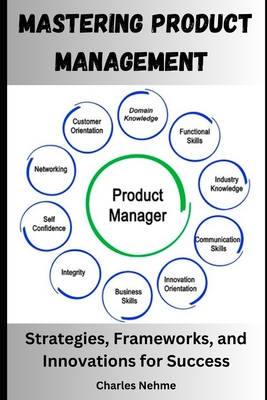
Successful product managers possess a blend of skills:
- Strategic Thinking: Ability to see the big picture and set long-term goals.
- Analytical Skills: Proficiency in data analysis to make informed decisions.
- Communication and Leadership: Strong interpersonal skills to lead cross-functional teams.
- Technical Knowledge: Understanding of the technical aspects of product development.
Product management is a multifaceted discipline that involves the strategic and tactical functions necessary to bring a product from conception to market and beyond. It bridges various domains, including engineering, design, marketing, sales, and customer support, ensuring that a product not only meets market needs but also aligns with the company's strategic goals.
Key Aspects of Product Management- Vision and Strategy:
- Vision: A product manager (PM) must develop a clear vision of what the product should achieve and how it fits into the company's overall mission.
- Strategy: This involves defining the product roadmap, setting long-term and short-term goals, and identifying key performance indicators (KPIs) to measure success.
- Market Research and Customer Insights:
- Understanding the target market and customer needs is crucial. This involves conducting market research, competitor analysis, and gathering customer feedback to inform product decisions.
- Product Development:
- Idea Generation and Validation: Brainstorming new ideas and validating them through customer feedback and market analysis.
- Design and Prototyping: Working with designers and engineers to create prototypes and iterate based on user testing.
- Development and Testing: Overseeing the product development process, ensuring that the product is built according to specifications and is rigorously tested.
- Go-to-Market Strategy:
- Positioning and Messaging: Defining how the product should be positioned in the market and developing clear messaging that resonates with the target audience.
- Launch Planning: Coordinating with marketing, sales, and other teams to plan and execute a successful product launch.
- Lifecycle Management:
- Managing the product throughout its lifecycle, from initial launch to growth, maturity, and eventual decline. This includes making decisions about product updates, pricing, and discontinuation.
- Cross-Functional Leadership:
- A PM acts as a bridge between various departments, ensuring alignment and effective communication across the organization. They must lead without formal authority, relying on influence and persuasion.
- Metrics and Analytics:
- Tracking and analyzing product performance through metrics and analytics. This data-driven approach helps PMs make informed decisions and iterate on the product.
A product manager is often described as the "CEO of the product," though this analogy can be misleading. Unlike a CEO, a PM does not have direct control over most resources and must lead through influence and collaboration. Key responsibilities of a PM include:
- Defining the product vision and strategy.
- Gathering and prioritizing product and customer requirements.
- Working closely with engineering, sales, marketing, and support to ensure revenue and customer satisfaction goals are met.
- Ensuring that the product supports the company's overall strategy and goals.
Successful product managers possess a blend of skills:
- Strategic Thinking: Ability to see the big picture and set long-term goals.
- Analytical Skills: Proficiency in data analysis to make informed decisions.
- Communication and Leadership: Strong interpersonal skills to lead cross-functional teams.
- Technical Knowledge: Understanding of the technical aspects of product development.