
Available options are listed below:
Ensuring Safety: Legionella Control in HVAC Systems
| AUTHOR | Nehme, Charles |
| PUBLISHER | Independently Published (06/26/2024) |
| PRODUCT TYPE | Paperback (Paperback) |
Legionnaire's disease, a severe form of pneumonia, is a significant public health concern linked to HVAC (heating, ventilation, and air conditioning) systems. Caused by the bacterium Legionella pneumophila, this disease thrives in water systems, including those found in HVAC systems, particularly cooling towers, evaporative condensers, and humidifiers. The disease, named after an outbreak in 1976 among attendees of an American Legion convention, has since highlighted the importance of maintaining clean and properly functioning HVAC systems to prevent the proliferation of Legionella bacteria.
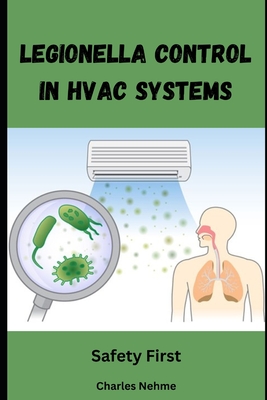
HVAC systems are essential for regulating indoor climate, ensuring comfort, and maintaining air quality in residential, commercial, and industrial buildings. However, these systems can become breeding grounds for Legionella bacteria if not properly maintained. The bacteria proliferate in stagnant or slow-moving warm water, which can be dispersed into the air through the HVAC system, posing an inhalation risk to occupants.
Preventing Legionnaire's disease involves a multifaceted approach, including regular maintenance and cleaning of HVAC components, monitoring water quality, and implementing comprehensive water management plans. Awareness and education about the potential risks associated with HVAC systems are crucial for building managers, HVAC professionals, and public health officials.
This preface serves as an introduction to the critical relationship between HVAC systems and the risk of Legionnaire's disease, emphasizing the need for diligent maintenance practices and proactive measures to safeguard public health. Understanding the mechanisms of Legionella proliferation and the strategies for prevention can help mitigate the risks and ensure safer indoor environments.Legionnaire's disease, a severe form of pneumonia, is a significant public health concern linked to HVAC (heating, ventilation, and air conditioning) systems. Caused by the bacterium Legionella pneumophila, this disease thrives in water systems, including those found in HVAC systems, particularly cooling towers, evaporative condensers, and humidifiers. The disease, named after an outbreak in 1976 among attendees of an American Legion convention, has since highlighted the importance of maintaining clean and properly functioning HVAC systems to prevent the proliferation of Legionella bacteria.
HVAC systems are essential for regulating indoor climate, ensuring comfort, and maintaining air quality in residential, commercial, and industrial buildings. However, these systems can become breeding grounds for Legionella bacteria if not properly maintained. The bacteria proliferate in stagnant or slow-moving warm water, which can be dispersed into the air through the HVAC system, posing an inhalation risk to occupants.
Preventing Legionnaire's disease involves a multifaceted approach, including regular maintenance and cleaning of HVAC components, monitoring water quality, and implementing comprehensive water management plans. Awareness and education about the potential risks associated with HVAC systems are crucial for building managers, HVAC professionals, and public health officials.
This preface serves as an introduction to the critical relationship between HVAC systems and the risk of Legionnaire's disease, emphasizing the need for diligent maintenance practices and proactive measures to safeguard public health. Understanding the mechanisms of Legionella proliferation and the strategies for prevention can help mitigate the risks and ensure safer indoor environments.