
Available options are listed below:
Renewable HVAC Solutions: Harnessing Solar, Wind, and Geothermal Energy
| AUTHOR | Nehme, Charles |
| PUBLISHER | Independently Published (09/19/2024) |
| PRODUCT TYPE | Paperback (Paperback) |
The world is undergoing a significant shift toward sustainability and energy efficiency, with increasing awareness of the environmental challenges posed by traditional energy sources. Among the most energy-intensive systems in homes, businesses, and industrial settings are Heating, Ventilation, and Air Conditioning (HVAC) systems. These systems account for a substantial portion of global energy consumption and are often powered by fossil fuels, contributing to greenhouse gas emissions and environmental degradation.
As the demand for energy continues to grow, so does the need for more sustainable and renewable solutions. Renewable energy, particularly solar, wind, and geothermal, presents a viable alternative to traditional power sources for HVAC systems. These natural energy sources offer a cleaner, more sustainable way to heat and cool buildings, reducing both energy costs and the carbon footprint of HVAC operations.
The Importance of Renewable HVAC SystemsHVAC systems are essential for maintaining indoor comfort, but their energy requirements can be immense, especially in extreme climates. Traditional systems rely heavily on electricity generated from non-renewable sources, leading to significant environmental impact. Transitioning to renewable HVAC solutions not only addresses environmental concerns but also offers long-term economic benefits.
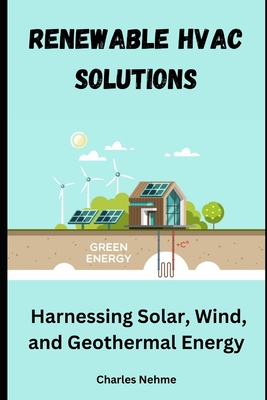
Renewable energy HVAC systems are designed to harness the power of the sun, wind, and the Earth itself to provide heating, cooling, and ventilation. These systems not only reduce dependence on fossil fuels but also help stabilize energy costs in the long run. With advances in technology, renewable HVAC systems have become more efficient, reliable, and affordable, making them a practical option for a wide range of applications-from residential homes to large commercial facilities.
The world is undergoing a significant shift toward sustainability and energy efficiency, with increasing awareness of the environmental challenges posed by traditional energy sources. Among the most energy-intensive systems in homes, businesses, and industrial settings are Heating, Ventilation, and Air Conditioning (HVAC) systems. These systems account for a substantial portion of global energy consumption and are often powered by fossil fuels, contributing to greenhouse gas emissions and environmental degradation.
As the demand for energy continues to grow, so does the need for more sustainable and renewable solutions. Renewable energy, particularly solar, wind, and geothermal, presents a viable alternative to traditional power sources for HVAC systems. These natural energy sources offer a cleaner, more sustainable way to heat and cool buildings, reducing both energy costs and the carbon footprint of HVAC operations.
The Importance of Renewable HVAC SystemsHVAC systems are essential for maintaining indoor comfort, but their energy requirements can be immense, especially in extreme climates. Traditional systems rely heavily on electricity generated from non-renewable sources, leading to significant environmental impact. Transitioning to renewable HVAC solutions not only addresses environmental concerns but also offers long-term economic benefits.
Renewable energy HVAC systems are designed to harness the power of the sun, wind, and the Earth itself to provide heating, cooling, and ventilation. These systems not only reduce dependence on fossil fuels but also help stabilize energy costs in the long run. With advances in technology, renewable HVAC systems have become more efficient, reliable, and affordable, making them a practical option for a wide range of applications-from residential homes to large commercial facilities.