
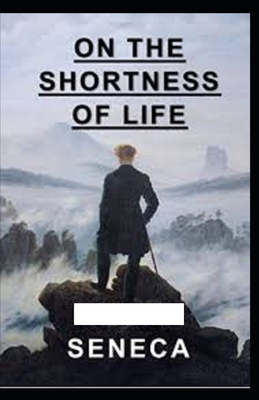
ISBN 9798463447661 is currently unpriced. Please contact us for pricing.
Available options are listed below:
Available options are listed below:
On the Shortness of Life illustrated by seneca
| AUTHOR | Seneca |
| PUBLISHER | Independently Published (08/24/2021) |
| PRODUCT TYPE | Paperback (Paperback) |
Description
De Brevitate Vitae (English: On the Shortness of Life) is a moral essay written by Seneca the Younger, a Roman Stoic philosopher, sometime around the year 49 AD, to his father-in-law Paulinus. The philosopher brings up many Stoic principles on the nature of time, namely that people waste much of it in meaningless pursuits. According to the essay, nature gives people enough time to do what is really important and the individual must allot it properly. In general, time is best used by living in the present moment in pursuit of the intentional, purposeful life. Similar ideas can be found in Seneca's treatise De Otio (On Leisure) and discussion of these themes can often be found in his Letters to Lucilius In chapter 1 Seneca counters the complaint that life is too short with the view that life is long enough if well-managed. Chapters 2 to 9 survey the many ways in which life is squandered and time frittered away by those people (occupati) engrossed in pointless pursuits. Chapters 10 to 17 contrast the philosophical approach to leisure (otium) with the deluded common approach. This culminates in chapters 18 to 20 showing the emancipation of the wise, who can soar above the lives of others mired in endless preoccupation
Show More
Product Format
Product Details
ISBN-13:
9798463447661
Binding:
Paperback or Softback (Trade Paperback (Us))
Content Language:
English
More Product Details
Page Count:
52
Carton Quantity:
156
Product Dimensions:
5.50 x 0.11 x 8.50 inches
Weight:
0.16 pound(s)
Country of Origin:
US
Subject Information
BISAC Categories
Political Science | General
Descriptions, Reviews, Etc.
publisher marketing
De Brevitate Vitae (English: On the Shortness of Life) is a moral essay written by Seneca the Younger, a Roman Stoic philosopher, sometime around the year 49 AD, to his father-in-law Paulinus. The philosopher brings up many Stoic principles on the nature of time, namely that people waste much of it in meaningless pursuits. According to the essay, nature gives people enough time to do what is really important and the individual must allot it properly. In general, time is best used by living in the present moment in pursuit of the intentional, purposeful life. Similar ideas can be found in Seneca's treatise De Otio (On Leisure) and discussion of these themes can often be found in his Letters to Lucilius In chapter 1 Seneca counters the complaint that life is too short with the view that life is long enough if well-managed. Chapters 2 to 9 survey the many ways in which life is squandered and time frittered away by those people (occupati) engrossed in pointless pursuits. Chapters 10 to 17 contrast the philosophical approach to leisure (otium) with the deluded common approach. This culminates in chapters 18 to 20 showing the emancipation of the wise, who can soar above the lives of others mired in endless preoccupation
Show More