
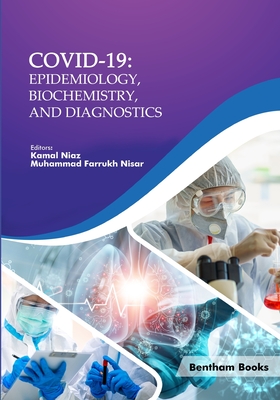
Covid-19: Epidemiology, Biochemistry, and Diagnostics
| AUTHOR | Niaz, Kamal; Nisar, Muhammad Farrukh |
| PUBLISHER | Bentham Science Publishers (09/16/2021) |
| PRODUCT TYPE | Paperback (Paperback) |
Description
COVID-19: Epidemiology, Biochemistry, and Diagnostics explains COVID-19 from multidisciplinary angles such as the evolution of SARS-COV, genetic techniques to study the virus, and diagnostic methodologies widely used in the global COVID-19 pandemic. The chapters in this book provide the reader with up-to-date literature about research on SARS-CoV-2 through three parts:
I) Evolution and Entry of SARS-CoV-2 into the host
II) Genetic Alteration and Structural Determination of SARS-CoV-2 Proteins
III) Quantitative Analysis of SARS-CoV-2 for research and medical diagnosis Key Features:
- 15 chapters on SAR-CoV-2 in a multidisciplinary context
- Provides a comprehensive overview of SARS-CoV-2 evolution and genetics
- Provides biochemical information about SARS-CoV-2 proteins and receptor targets (both structural and non-structural proteins)
- Includes an overview of several methods of detecting SARS-CoV-2 virus particles (ELISA, PCR, Neutralizing Antibodies
- Covers some critical diagnostic modalities for COVID-19 diagnosis
- Provides bibliographic references for further reading Readers will understand the significance of phylogenetic analysis of coronaviruses, along with the pathogenesis of COVID-19 and related diseases such as SARS and MERS. Applications of biochemical technologies such as RT-PCR and CRISPR are also demonstrated in the text. This book is a comprehensive introduction to COVID-19 research for medical researchers, microbiologists and virologists. Students in academic programs in life sciences and medicine will also benefit from the information provided in the book.
I) Evolution and Entry of SARS-CoV-2 into the host
II) Genetic Alteration and Structural Determination of SARS-CoV-2 Proteins
III) Quantitative Analysis of SARS-CoV-2 for research and medical diagnosis Key Features:
- 15 chapters on SAR-CoV-2 in a multidisciplinary context
- Provides a comprehensive overview of SARS-CoV-2 evolution and genetics
- Provides biochemical information about SARS-CoV-2 proteins and receptor targets (both structural and non-structural proteins)
- Includes an overview of several methods of detecting SARS-CoV-2 virus particles (ELISA, PCR, Neutralizing Antibodies
- Covers some critical diagnostic modalities for COVID-19 diagnosis
- Provides bibliographic references for further reading Readers will understand the significance of phylogenetic analysis of coronaviruses, along with the pathogenesis of COVID-19 and related diseases such as SARS and MERS. Applications of biochemical technologies such as RT-PCR and CRISPR are also demonstrated in the text. This book is a comprehensive introduction to COVID-19 research for medical researchers, microbiologists and virologists. Students in academic programs in life sciences and medicine will also benefit from the information provided in the book.
Show More
Product Format
Product Details
ISBN-13:
9789814998956
ISBN-10:
9814998958
Binding:
Paperback or Softback (Trade Paperback (Us))
Content Language:
English
More Product Details
Page Count:
450
Carton Quantity:
7
Product Dimensions:
7.00 x 1.17 x 10.00 inches
Weight:
2.37 pound(s)
Country of Origin:
US
Subject Information
BISAC Categories
Medical | Infectious Diseases
Descriptions, Reviews, Etc.
publisher marketing
COVID-19: Epidemiology, Biochemistry, and Diagnostics explains COVID-19 from multidisciplinary angles such as the evolution of SARS-COV, genetic techniques to study the virus, and diagnostic methodologies widely used in the global COVID-19 pandemic. The chapters in this book provide the reader with up-to-date literature about research on SARS-CoV-2 through three parts:
I) Evolution and Entry of SARS-CoV-2 into the host
II) Genetic Alteration and Structural Determination of SARS-CoV-2 Proteins
III) Quantitative Analysis of SARS-CoV-2 for research and medical diagnosis Key Features:
- 15 chapters on SAR-CoV-2 in a multidisciplinary context
- Provides a comprehensive overview of SARS-CoV-2 evolution and genetics
- Provides biochemical information about SARS-CoV-2 proteins and receptor targets (both structural and non-structural proteins)
- Includes an overview of several methods of detecting SARS-CoV-2 virus particles (ELISA, PCR, Neutralizing Antibodies
- Covers some critical diagnostic modalities for COVID-19 diagnosis
- Provides bibliographic references for further reading Readers will understand the significance of phylogenetic analysis of coronaviruses, along with the pathogenesis of COVID-19 and related diseases such as SARS and MERS. Applications of biochemical technologies such as RT-PCR and CRISPR are also demonstrated in the text. This book is a comprehensive introduction to COVID-19 research for medical researchers, microbiologists and virologists. Students in academic programs in life sciences and medicine will also benefit from the information provided in the book.
I) Evolution and Entry of SARS-CoV-2 into the host
II) Genetic Alteration and Structural Determination of SARS-CoV-2 Proteins
III) Quantitative Analysis of SARS-CoV-2 for research and medical diagnosis Key Features:
- 15 chapters on SAR-CoV-2 in a multidisciplinary context
- Provides a comprehensive overview of SARS-CoV-2 evolution and genetics
- Provides biochemical information about SARS-CoV-2 proteins and receptor targets (both structural and non-structural proteins)
- Includes an overview of several methods of detecting SARS-CoV-2 virus particles (ELISA, PCR, Neutralizing Antibodies
- Covers some critical diagnostic modalities for COVID-19 diagnosis
- Provides bibliographic references for further reading Readers will understand the significance of phylogenetic analysis of coronaviruses, along with the pathogenesis of COVID-19 and related diseases such as SARS and MERS. Applications of biochemical technologies such as RT-PCR and CRISPR are also demonstrated in the text. This book is a comprehensive introduction to COVID-19 research for medical researchers, microbiologists and virologists. Students in academic programs in life sciences and medicine will also benefit from the information provided in the book.
Show More
List Price $102.00
Your Price
$100.98